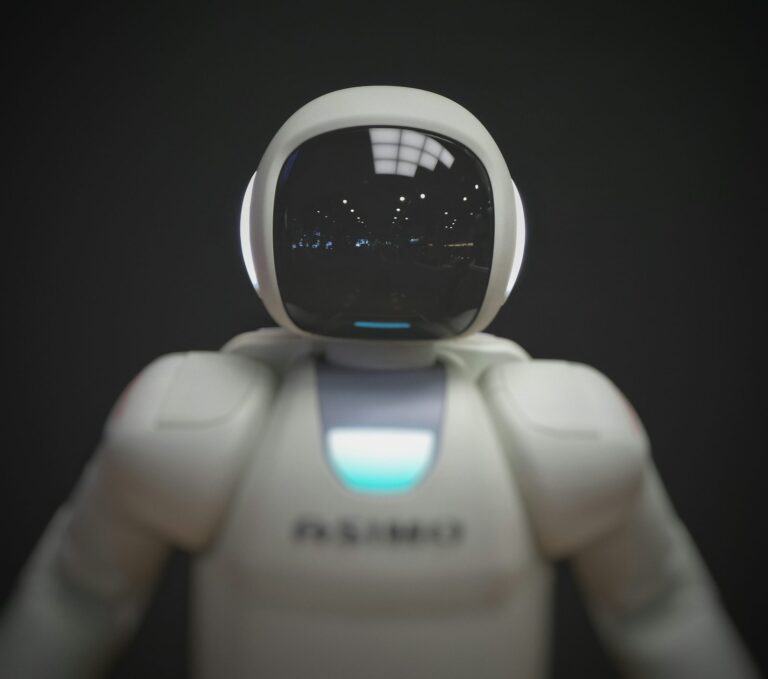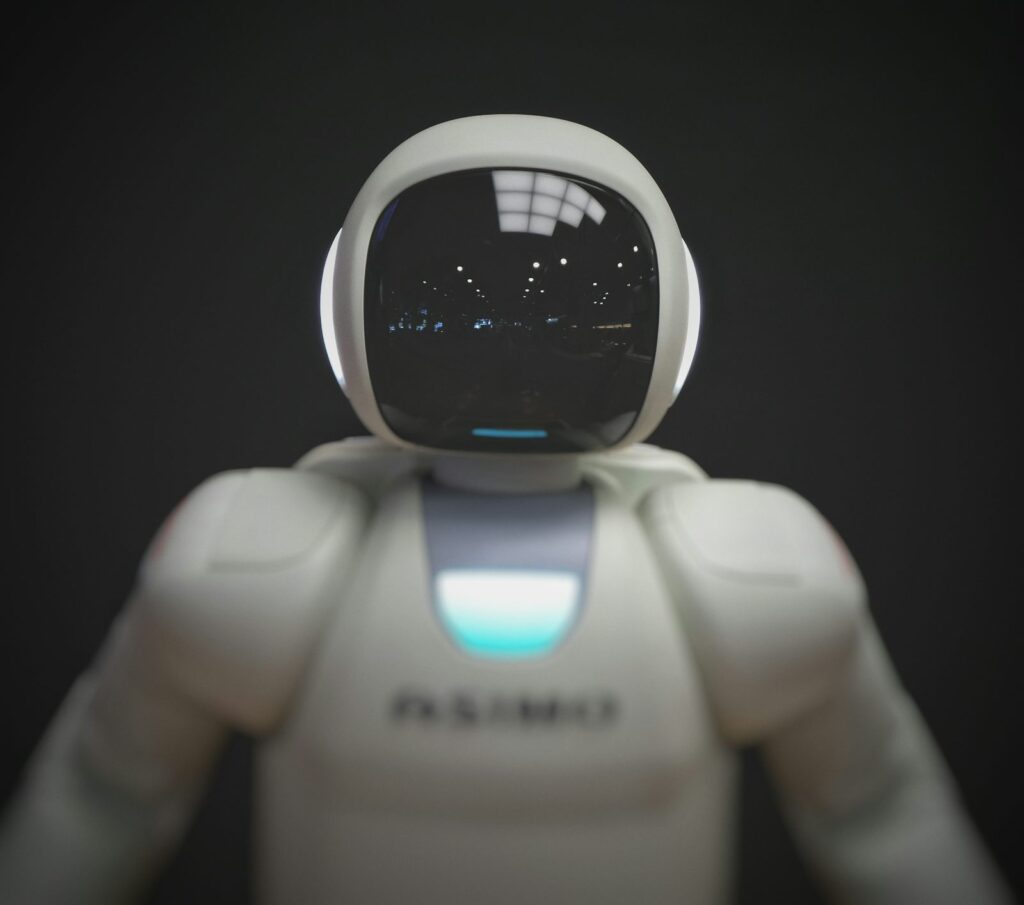
“Embodied AI” and “physical AI” get used almost interchangeably, and both describe a genuinely different bet than the language-model race that’s dominated coverage until now.
Embodied AI refers to systems that learn and act through a physical or simulated body, interacting with a real environment instead of only processing text. A system that has to predict how objects fall, how surfaces feel, how its own actions change the world, develops a different kind of understanding than a model trained purely on text describing those things.
A language model has never watched an object fall. It’s learned patterns in text describing that. Embodied systems train on physical interaction directly, aiming at a kind of understanding text alone can’t fully capture. Our full explainer on physical AI and world models covers the technical details.
Training in simulation is cheap and fast, but simulated physics never perfectly matches real physics. Contact dynamics, sensor noise, material properties all diverge in ways that compound. Our deep dive on sim-to-real training covers why that gap remains the field’s hardest unsolved problem.
NVIDIA’s Cosmos and Isaac, Google DeepMind’s Genie, Fei-Fei Li’s World Labs, all pursuing versions of the same goal from different angles, with serious investment behind it. Worth tracking as its own category, not a footnote to chatbot progress.
See NVIDIA’s own Cosmos platform page for more on this research direction.