The Agentic Post
Breaking
Gemini’s Multimodal Features, Explained  Â·  ChatGPT Custom GPTs, Explained  Â·  What Is Constitutional AI? Explained  Â·  AI Capex Explained for Investors  Â·  AI Startup Valuations: How They Are Set  Â·  How to Reskill for an AI Job Market  ·  
Home/Hardware & Robotics/Humanoid Robots
The Basics of Humanoid Robot Design

The Basics of Humanoid Robot Design

Humanoid Robots

A plain-English explainer on how humanoid robots sense their environment, the tradeoffs between actuator types, and why balance remains the hardest engineering problem.

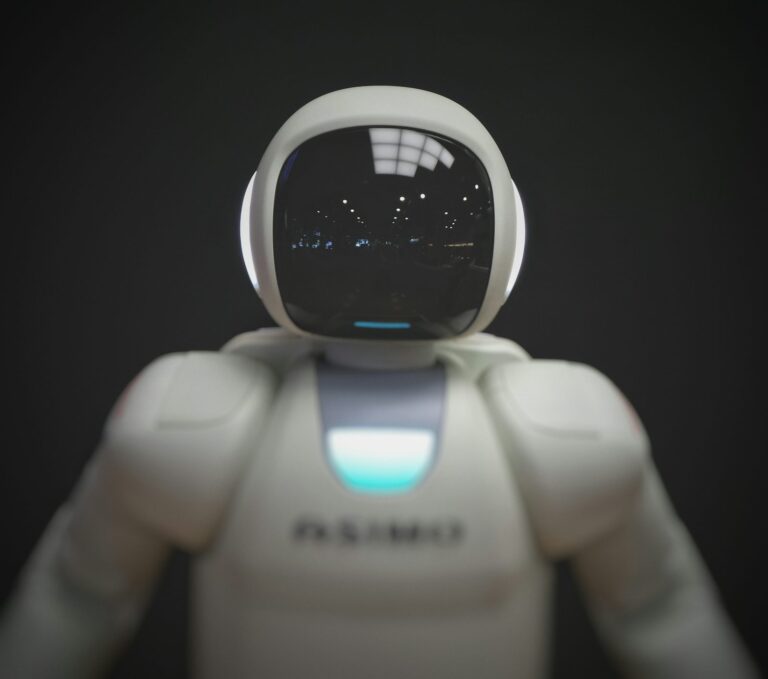
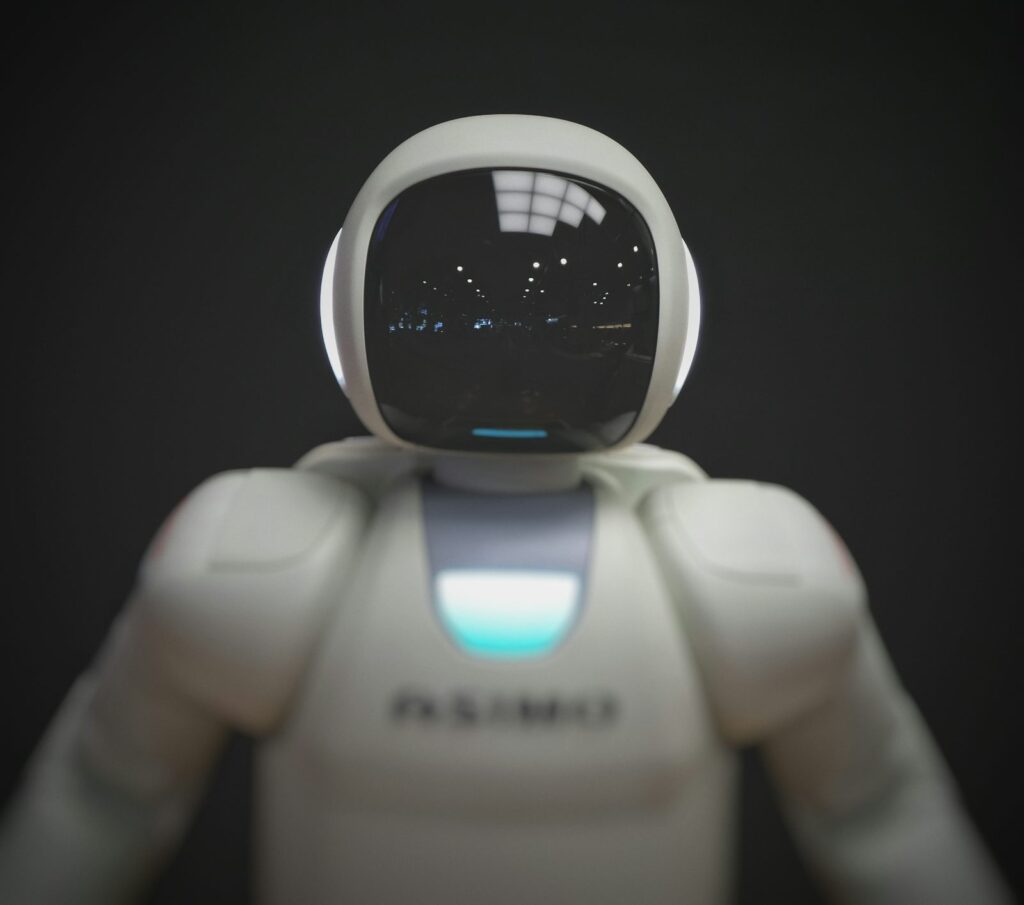
The human-like shape is the easy part of building a humanoid robot. The hard engineering questions are less visible, and worth answering directly.

How does it actually perceive its surroundings?

Through several sensor types working together: cameras for vision, force and torque sensors in joints, inertial measurement units for orientation, and increasingly tactile sensors in the hands. Balance specifically depends on fusing inertial data with foot-contact force feedback many times per second.

What actually moves the joints?

Electric motors with gearboxes are precise but can resist being pushed rather than absorbing impact gracefully. Hydraulic actuators, used in earlier Boston Dynamics robots, offer higher power density at the cost of more complexity. Most current platforms use electric actuation with elastic elements built in for compliance, closer to how tendons work.

Why is balance the hardest problem, not the most visible one?

Standing on two legs is inherently unstable, constant tiny corrections happen too fast to notice. A robot has to compute and execute those corrections continuously, which is a large part of why Hyundai’s Atlas timeline starts with a narrow, controlled factory task rather than general mobility.

What’s actually driving recent progress?

Not hardware alone. AI models trained on simulated physical interaction let robots learn movement policies before touching real hardware, the same approach covered in our explainer on physical AI.

See Boston Dynamics’ own Atlas page for more detail.
Up Next
What Is a Data Center?

What Is a Data Center?

Data Centers

A plain-English explainer on what's actually inside an AI data center, why power has become the real bottleneck, and how training and inference infrastructure differ.

Every AI query, every generated image, every model in training runs somewhere physical: a data center packed with servers, drawing enormous power and requiring constant cooling. Here’s what’s actually inside one.

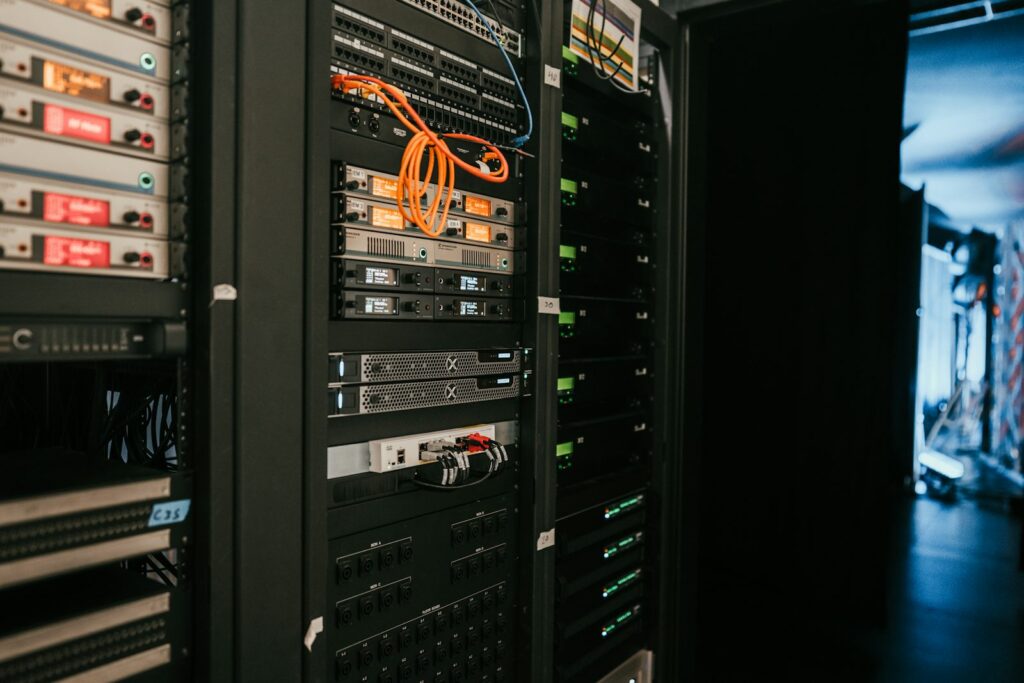
Beyond rows of server racks, an AI data center is mostly power and cooling infrastructure. High-density hardware, like the racks in NVIDIA’s Vera Rubin NVL72, draws far more power per rack than traditional computing ever did, which means electrical and cooling systems are often a bigger engineering challenge than the compute itself. Liquid cooling, once a specialty option, is now standard for the densest racks because air alone can’t remove heat fast enough.

Power, not chips, is the real bottleneck

A data center is only as useful as the grid feeding it, and building new power generation and transmission takes years, far longer than the building itself. That’s why AI infrastructure announcements increasingly lead with gigawatts of power capacity rather than server count.

Training clusters aren’t the same as inference infrastructure

Massive, tightly interconnected clusters handle training, running for weeks with extremely fast connections between thousands of chips. Inference infrastructure, running an already-trained model for real users, is distributed more broadly, often closer to users, to cut response latency.

Oracle alone has committed up to $500 billion to this buildout, which is why data center construction has become a macroeconomic story, showing up in earnings reports and regional power grid planning alike.

See the International Energy Agency’s own data on data center demand.