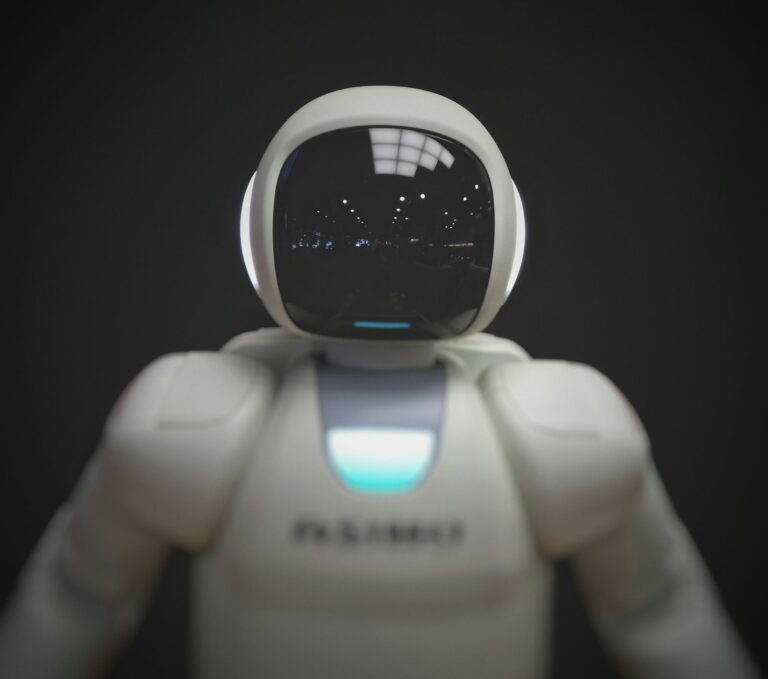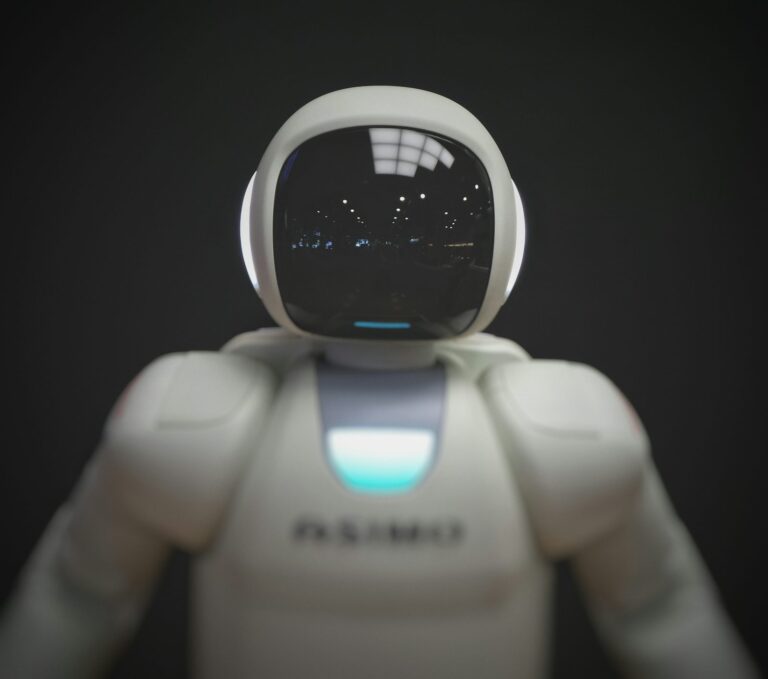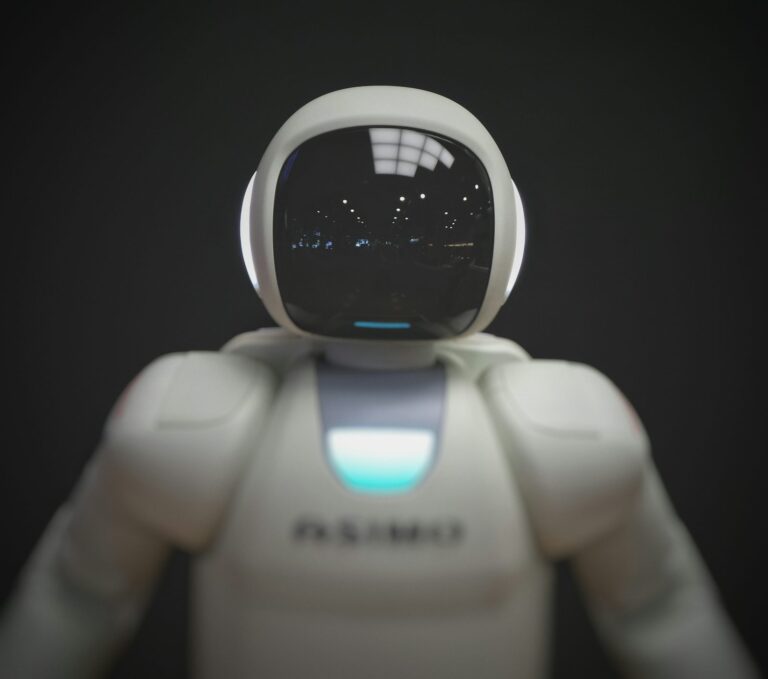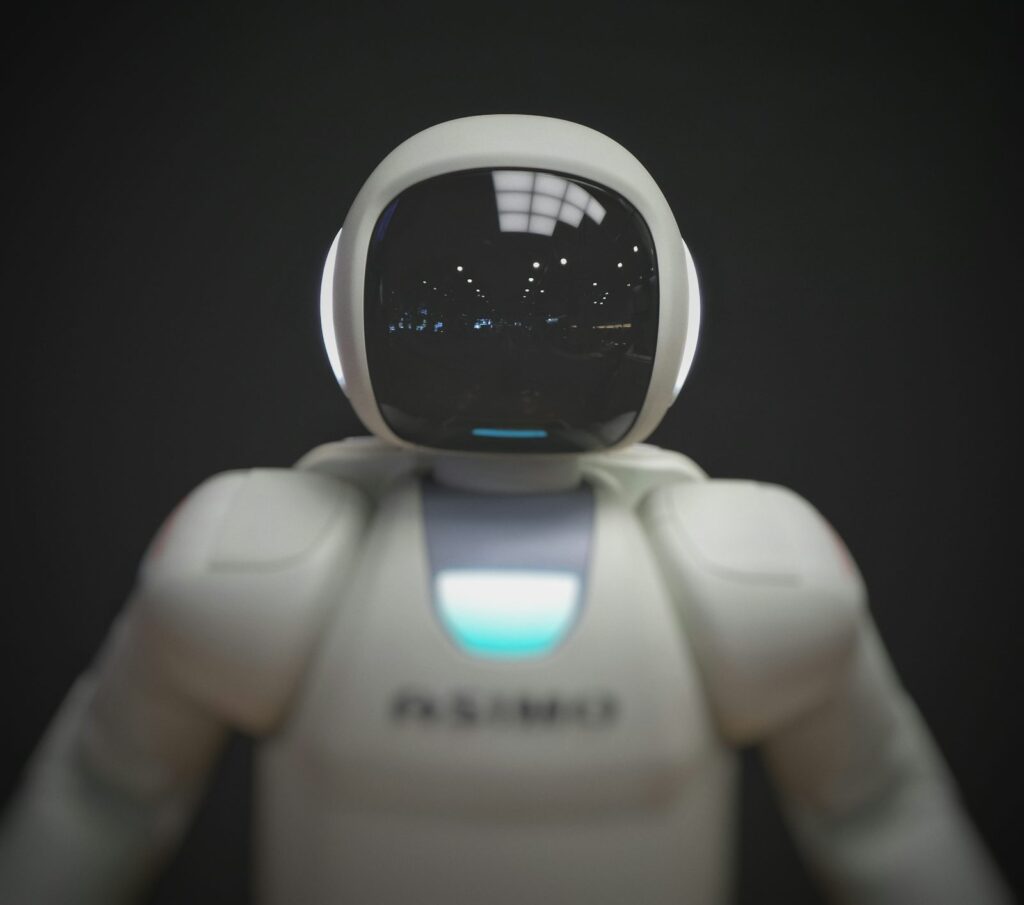
“Physical AI” has become one of 2026’s most-repeated phrases in robotics and AI circles, and it means something specific: AI systems trained to understand and act within the physical world’s actual rules, rather than just text, images, or isolated video clips. NVIDIA CEO Jensen Huang put the industry framing bluntly at GTC: “Physical AI has arrived, every industrial company will become a robotics company.”
Quick facts
- Physical AI refers to AI systems, often built on “world models,” that learn to predict and reason about how objects, forces, and environments behave in the real world.
- NVIDIA’s Cosmos platform, launched in 2025 and expanded through 2026, had been downloaded more than 2 million times by January 2026, trained on 9,000 trillion tokens drawn from 20 million hours of real-world footage.
- At GTC 2026, NVIDIA released Cosmos 3, Isaac GR00T N1.7, and Alpamayo 1.5, alongside a Physical AI Data Factory Blueprint for generating synthetic training data at scale.
- Competing world-model efforts are underway at Google DeepMind (Genie), Fei-Fei Li’s World Labs (Marble), Yann LeCun’s new venture after leaving Meta, and China’s Beijing Academy of AI, which unveiled Physis-v0.1 in June 2026.
Why language models alone can’t do this
A standard large language model learns patterns in text: it’s never actually watched an object fall, felt friction, or dealt with a hand slipping on a wet surface. World models are built to close that gap by training on video and physical interaction data instead of, or alongside, text, so the system develops an internal sense of how objects move, collide, deform, and persist over time. That’s the difference between a model that can describe gravity in a sentence and one that can predict where a dropped object will actually land. For robotics specifically, that predictive capability is what lets a robot plan an action safely in simulation before ever trying it on real hardware, or a humanoid robot generalize a skill learned in one environment to a new one.
The reality gap is still the hard part
Training in simulation is attractive precisely because it’s cheap and effectively unlimited compared to real-world data collection, which is slow and sometimes dangerous. But a policy trained on a simulation with slightly wrong physics learns slightly wrong behavior, and that gap shows up the moment the system touches real hardware. Researchers call this the reality gap, and it remains the field’s central engineering problem: contact dynamics that don’t match real surfaces, actuator models that ignore mechanical backlash and latency, sensor noise that’s too clean to be realistic, and materials that never actually deform the way a simulated version does. Closing this gap is largely why companies are racing to build ever-larger physical interaction datasets rather than treating simulation quality as a solved problem.
Where NVIDIA’s ecosystem actually sits right now
NVIDIA has positioned itself as the infrastructure layer underneath most of this activity rather than competing purely on humanoid hardware. Cosmos provides the world-foundation-model layer for generating physics-aware synthetic video for training. Isaac GR00T is an open vision-language-action model aimed specifically at humanoid robots, released as a foundation other companies can build on top of rather than a closed product, and integrated into Hugging Face’s LeRobot library to widen access beyond NVIDIA’s own customers. Alpamayo targets autonomous driving specifically. The company’s Physical AI Data Factory Blueprint, released at GTC 2026, packages these pieces together for generating training data at scale, while the Omniverse DSX Blueprint extends the same simulation approach to modeling entire AI factories as digital twins before they’re built.
This isn’t only an NVIDIA story
The competitive field is genuinely broad. Google DeepMind has been developing Genie for real-time interactive 3D world generation. Fei-Fei Li, one of computer vision’s most established researchers, launched World Labs and its Marble model specifically around what she’s called spatially intelligent world models. Yann LeCun left Meta to start an independent world-model lab, reportedly seeking a multibillion-dollar valuation, reflecting his long-standing public argument that language-only models can’t reach genuine physical understanding. And China’s Beijing Academy of AI unveiled Physis-v0.1 in June 2026, described as the first general world foundation model to come out of that research community, aimed at applications spanning robotics, scientific simulation, and digital twins.
Key takeaway
Physical AI is genuinely a different technical bet than the large-language-model race that’s dominated coverage until now, and it’s attracting comparably serious investment from a comparably broad set of labs. If you’re tracking where AI capability goes next, world models and the reality-gap problem are a more useful thing to watch than the next chatbot benchmark score.