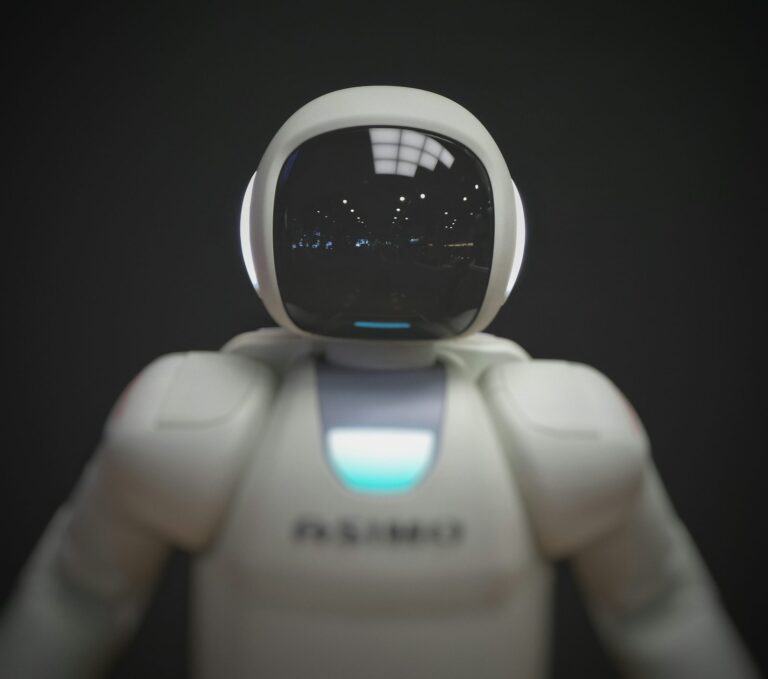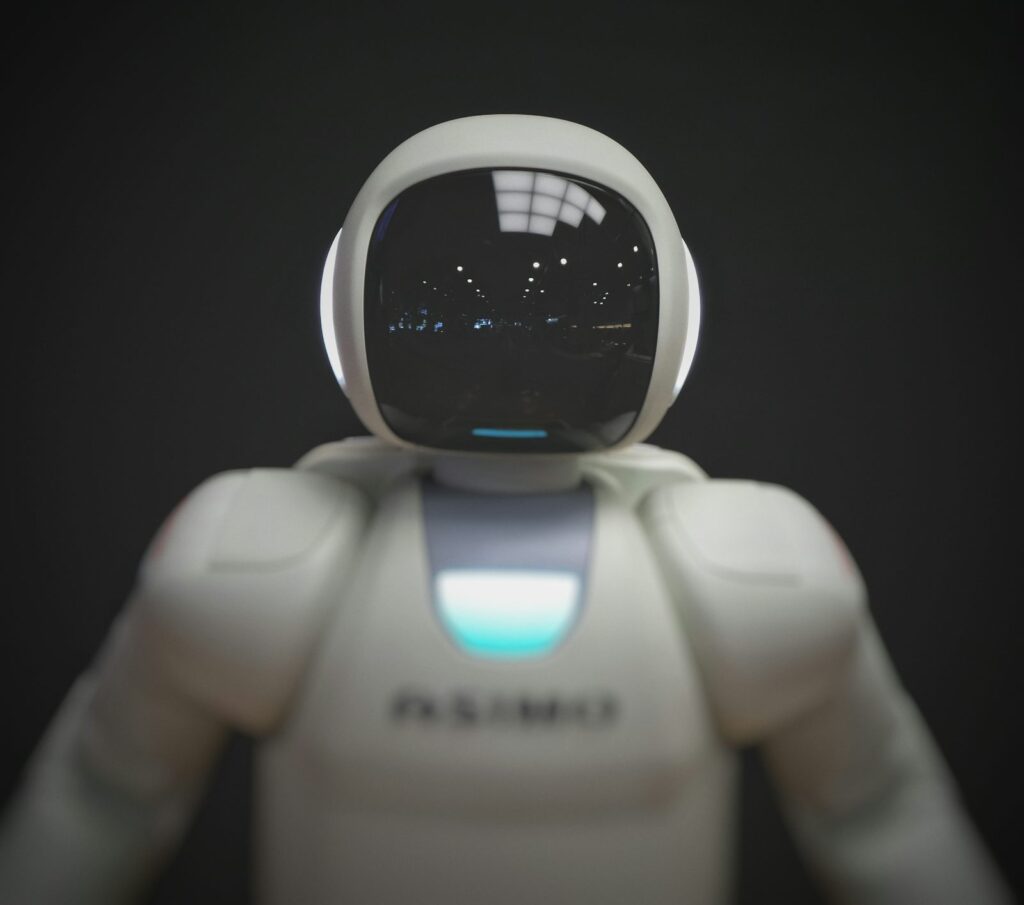
Walking looks effortless because human balance corrections happen too fast and subtly to notice. Teaching a robot to do the same is one of the harder problems in applied AI.
Standing on two legs is inherently unstable, constant tiny corrections are needed just to avoid falling. A robot has to compute and execute those corrections continuously based on real-time sensor input, a control problem that gets harder on uneven or unpredictable surfaces.
Real-world trial and error is slow and can damage expensive hardware, so most walking policies train in simulation first, where thousands of parallel attempts run simultaneously and failures cost nothing. Our deep dive on sim-to-real training covers how this actually works.
Simulated physics never perfectly matches real physics. Contact dynamics, actuator behavior, and sensor noise all diverge in ways that compound across a walking sequence. Domain randomization, deliberately varying simulated conditions during training, forces the resulting policy to generalize rather than overfit to one exact simulated environment.
This is a real part of why deployment timelines stretch years past an impressive simulated demo. See NVIDIA’s own Cosmos platform page for more on how this training actually happens.