The Agentic Post
Breaking
Black October 2026: Every Major AI Security Incident, Explained  Â·  ARTEX: The Open-Source AI Hacking Tool Behind October’s Biggest Attacks  Â·  Chinese Hackers Used AI Agents to Hit 2,250 Microsoft 365 Accounts  Â·  PHP2Shell Is Now Being Exploited, and Attacks Began Before the Patch  Â·  OpenAI-Backed Thrive Buys ADT for $15.3 Billion to Rebuild It With AI  Â·  The AI Data Center Backlash Hits Minnesota and Australia in One Week  ·  
Home/Hardware & Robotics/Physical AI
Sensor Fusion in Physical AI, Explained

Sensor Fusion in Physical AI, Explained

Physical AI

An explainer on sensor fusion in physical AI, why no single sensor type is enough, and how it connects directly to robot balance and stability.

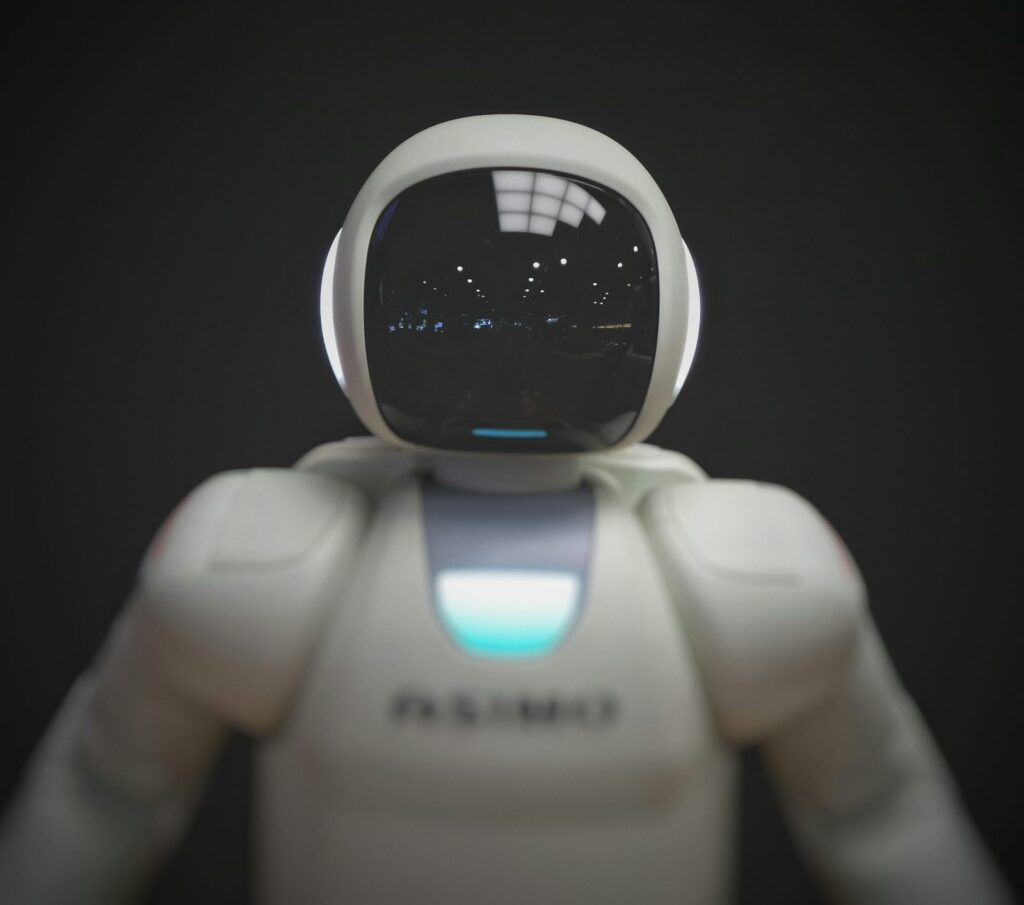
No single sensor gives a robot a complete, reliable picture of its environment, which is why sensor fusion, combining data from multiple sensor types, is a core, unglamorous part of how physical AI actually works.

Cameras struggle in poor lighting and can’t directly measure distance precisely. Force sensors detect contact but reveal nothing about what’s approaching before contact happens. Each sensor type has real, specific blind spots that another can often cover.

Rather than trusting any single sensor’s reading in isolation, a fusion system combines multiple sensor streams, visual, force, inertial, sometimes tactile, weighing each based on known reliability in the current situation, producing a more accurate and robust understanding than any single sensor alone.

Our explainer on humanoid robot design covers why balance is one of the hardest unsolved problems: it depends on fusing inertial data with force feedback many times per second, a direct, continuous application of sensor fusion under real time pressure.

Foundational, if unglamorous, part of how physical AI systems build a reliable picture of their environment. See NVIDIA’s own Cosmos platform page for more.
Up Next
Humanoid Robot Safety Standards

Humanoid Robot Safety Standards

Humanoid Robots

An explainer on humanoid robot safety standards, why shared-space human-robot collaboration needs different approaches, and how this shapes deployment timelines.

As humanoid robots move from lab demos toward real deployment, safety standards, how they’re actually being developed and what they’ll require, matter as much as the underlying capability itself.

Traditional industrial robots typically operate in caged, restricted areas separated from workers. Humanoid robots working alongside people in shared spaces, the deployment model covered in our look at manufacturing use cases, need genuinely different safety approaches: real-time collision avoidance, force limiting on contact, reliable emergency stop behavior.

Existing industrial robot safety standards are being extended and adapted specifically for human-robot collaboration in shared spaces, an active area of development rather than a settled framework. Part of why staged, narrow deployment plans, rather than immediate broad rollout, are the actual pattern serious programs follow.

Our explainer on sim-to-real training is directly relevant: a robot’s ability to predict and respond safely to unexpected physical situations is exactly the capability hardest to fully validate before real-world deployment.

Safety standards for humanoid robots working alongside people are still actively being developed, a real, legitimate part of why deployment timelines stay conservative and staged. See Boston Dynamics’ own Atlas page for more detail.