Oracle has borrowed tens of billions of dollars to bet its future on AI data centers, and a New York Times Magazine investigation published July 31, 2026 lays out just how leveraged that bet has become. The company’s debt was downgraded to one notch above junk status on July 9, and roughly $638 billion of its contracted future revenue, including a $300 billion OpenAI deal, doesn’t start paying until 2027.
Quick facts
- S&P Global downgraded Oracle’s debt to just one notch above junk status on July 9, 2026, citing deteriorating finances.
- Oracle’s debt-to-equity ratio sits around 500%, compared to roughly 50% at Amazon, a far more leveraged position than its hyperscaler peers.
- Oracle raised $50 billion in bonds in February 2026 and added roughly $58 billion in related borrowing within the first two months of the year alone.
- The company holds $638 billion in remaining performance obligations, including a $300 billion contract with OpenAI that doesn’t begin paying until 2027.
- Oracle’s stock has lost roughly $230 billion in value since September 2025.
What Oracle is actually building
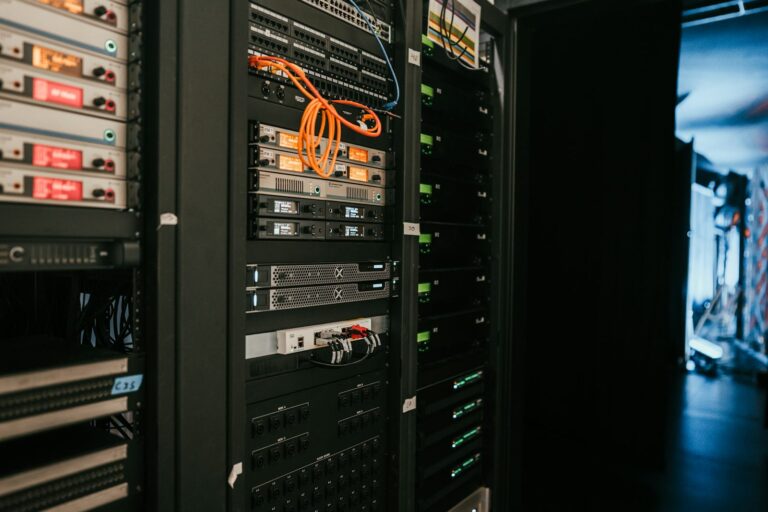
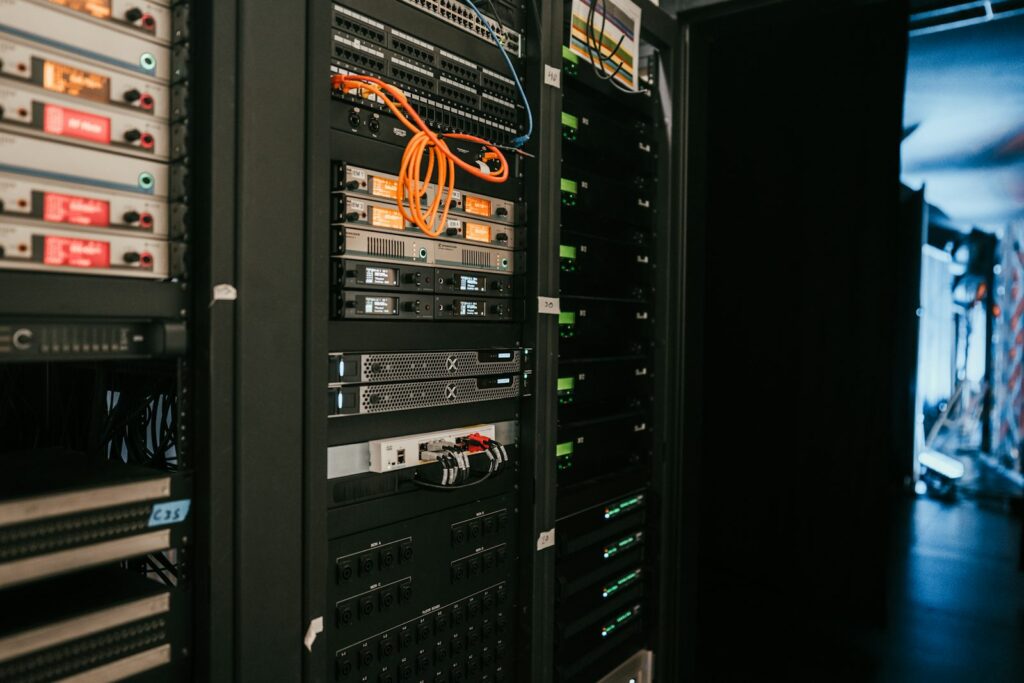
The borrowing is funding Project Stargate, Oracle’s plan to invest up to $500 billion in AI-focused data centers over four years, with individual facilities targeting more than 500,000 square feet and an overall power capacity goal of 10 gigawatts. Per the Times’ reporting, CEO and chairman Larry Ellison has pushed Oracle to transform from an enterprise software and database company into something closer to a hyperscaler, one of a small number of companies actually providing the physical infrastructure the AI boom runs on, rather than only selling software on top of it.
The timing mismatch that’s worrying analysts
The core tension in Oracle’s position is straightforward: it has to spend the money to build the data centers now, but much of the revenue contracted to pay for them doesn’t arrive until 2027. That creates a real gap between when the debt comes due and when the offsetting revenue is scheduled to land, and it’s precisely the kind of mismatch that credit rating agencies price as risk. Unlike Amazon or Microsoft, which fund AI infrastructure substantially out of enormous existing cash flow from profitable core businesses, Oracle is financing its build-out primarily through debt, which is why its leverage ratio stands out so starkly against its hyperscaler peers.
Why the OpenAI contract is both the asset and the risk
Oracle’s $300 billion contract with OpenAI is simultaneously its biggest vote of confidence and its biggest single point of failure. Once Oracle borrows the money, signs long-term leases, and builds the specialized facilities to serve that contract, it can’t easily redirect that capacity elsewhere if the relationship changes. OpenAI, by contrast, retains more flexibility, it can shift workloads, renegotiate capacity, or lean more heavily on other cloud partners like Microsoft Azure, AWS, or Google Cloud. A contract can be legally binding without being economically guaranteed if the counterparty’s own business changes shape faster than the infrastructure built to serve it.
Why this matters beyond one company’s balance sheet
Oracle’s exposure is a useful stress test for the broader AI infrastructure buildout, not just a company-specific story. Reports have already surfaced of bondholder lawsuits tied to AI financing deals connected to OpenAI, and JPMorgan has reportedly seen slower investor interest in debt tied to specific Stargate sites. If Oracle’s bet doesn’t pay off on the timeline it’s counting on, the exposure isn’t limited to Oracle shareholders, it extends to the bondholders financing the debt and, more broadly, to how comfortable capital markets remain funding the entire AI infrastructure buildout on similar terms.
Common questions
Is Oracle at risk of default? The reporting reviewed here doesn’t suggest imminent default; the concern is about leverage and timing risk, not an immediate inability to pay, and Oracle continues to raise both debt and equity financing to manage it.
How exposed is OpenAI to this? OpenAI’s exposure is different in kind, it isn’t the one carrying Oracle’s construction debt, but its own roughly $600 billion in compute commitments across multiple providers, including Oracle, is part of what makes the broader financing picture across the industry worth watching together rather than company by company.
Why not just fund this with cash flow like Amazon or Microsoft? Oracle’s core software and database business generates far less free cash flow than Amazon’s or Microsoft’s larger, more diversified businesses, leaving debt as its primary financing option for a buildout at this scale.
Key takeaway
Oracle’s bet could still pay off exactly as planned if AI demand keeps growing at anything close to its current pace. But the specific structure of the risk, heavy debt taken on now against revenue that doesn’t arrive until 2027, tied heavily to a single counterparty’s continued growth, is a genuinely different risk profile than its better-capitalized hyperscaler competitors, and worth watching independent of how the stock trades day to day.