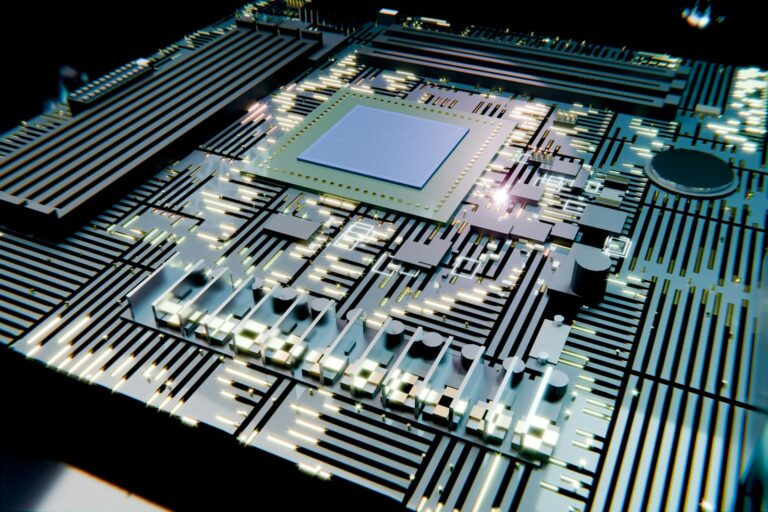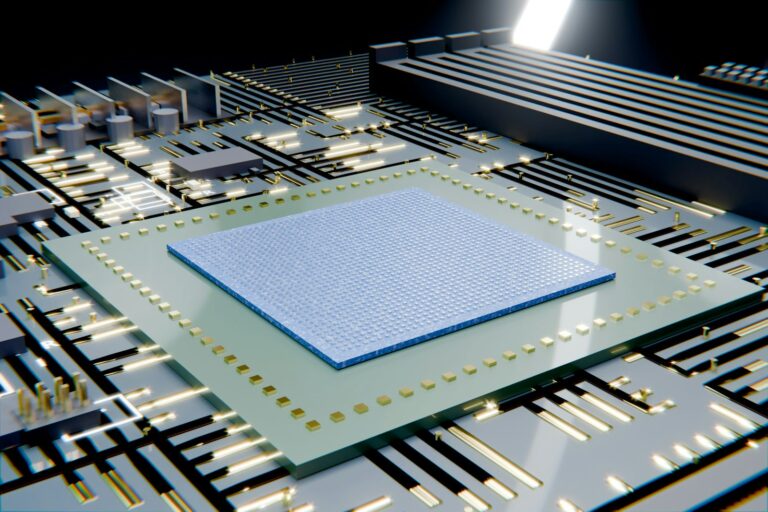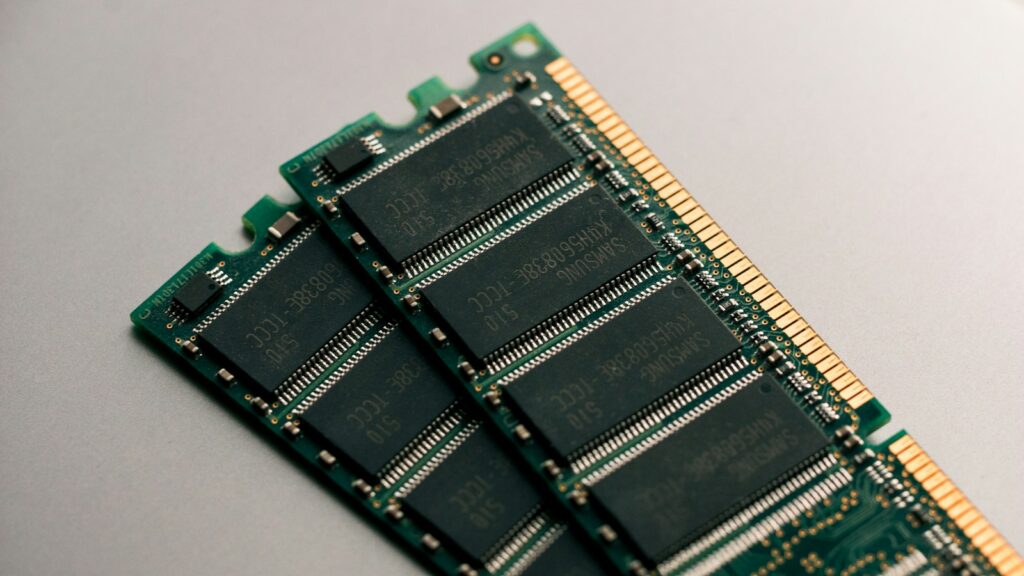
HBM, or high-bandwidth memory, is a special kind of computer memory built by stacking memory chips on top of each other right next to an AI processor. It feeds data to the processor far faster than normal memory, which AI needs because models are huge. Every top AI accelerator, including Nvidia’s, depends on it, and it is so in demand that it has affected memory prices for ordinary PCs and phones.
Why do AI chips need special memory?
An AI chip can do calculations incredibly fast, but it is often left waiting for data. Running a large model means moving billions of numbers from memory to the processor for every token. If the memory is slow, the expensive processor sits idle. Think of a top chef with a tiny pantry door: cooking speed does not matter if ingredients arrive slowly.
How is HBM different from normal RAM?
- Stacked: several memory dies are stacked vertically and wired together with tiny vertical connections
- Very close: the stacks sit right beside the processor on the same package, so data travels a short distance
- Very wide: it uses a much wider connection than normal RAM, moving far more data at once
- Expensive and hard to make: stacking and testing dies is complex, and yields are lower
Who makes HBM?
Three companies dominate: SK hynix of South Korea, Samsung, and Micron of the US. SK hynix has been the main supplier for Nvidia’s recent chips. Their ability to produce enough HBM is one of the biggest limits on how many AI chips can ship, as explained in our AI chip supply chain guide.
What is HBM4?
HBM4 is the newest generation, rolling into products in 2026 with a wider interface and more bandwidth than HBM3E. Nvidia’s Vera Rubin platform is among the first big users. Each generation lets chips run bigger models faster, which is why memory is now as important as the processor itself.
Why is HBM making normal RAM more expensive?
Memory makers have shifted factory capacity toward HBM because AI customers pay more for it. That leaves less capacity for the ordinary memory used in laptops, phones and servers, and prices for standard memory rose sharply as a result. If PCs or phones with more RAM seem pricier, the AI boom is part of the reason. It is also one of the factors in why AI chips are so expensive.
Is there anything after HBM?
Researchers and companies are working on alternatives and add-ons, such as high-bandwidth flash, which uses cheaper storage chips to hold more model data close to the processor; see our HBF explainer. Software tricks like quantization also reduce how much memory a model needs.