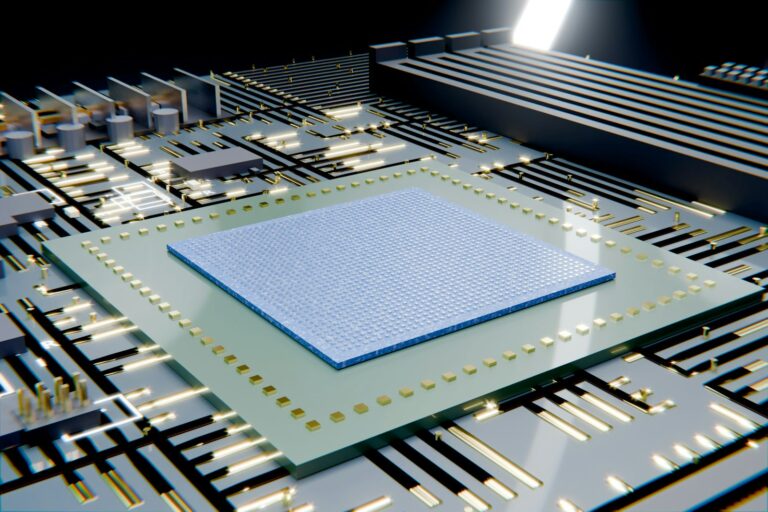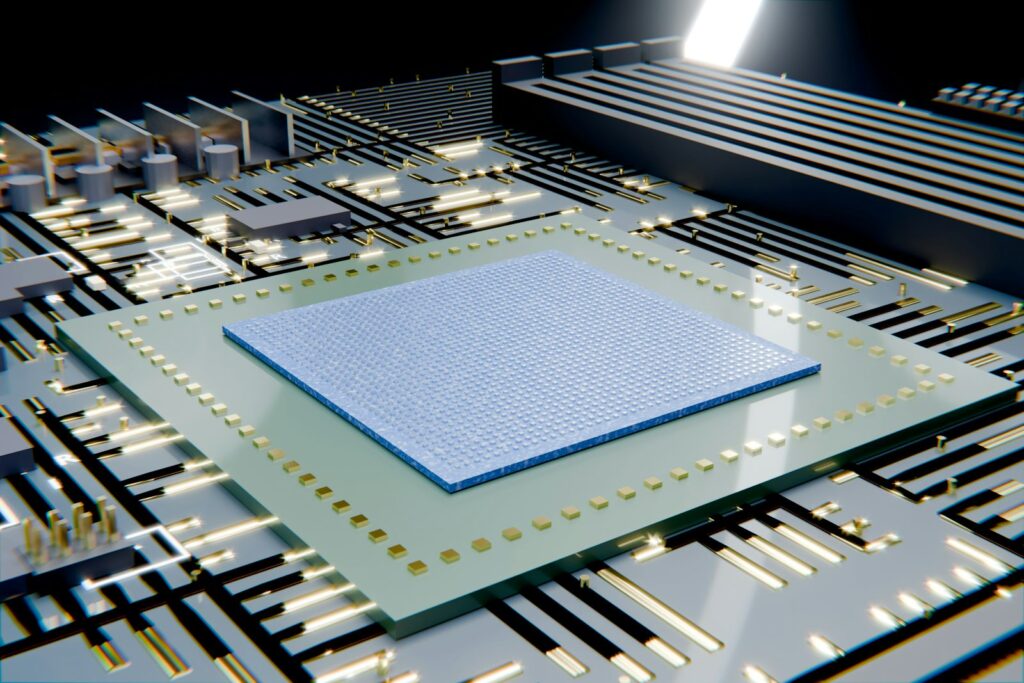
The price tag on leading-edge AI chips reflects genuine, compounding costs at every stage, not just margin.
Our explainer on how AI chips are made covers why: modern chips are etched at nanometer-scale precision using photolithography equipment that costs enormous sums per machine, and yield is never 100%. Every failed chip on a wafer raises the effective cost of the ones that work.
High-bandwidth memory, needed to feed data to AI chips fast enough, is itself expensive and complex to stack onto the package. Supply has repeatedly struggled to keep pace with demand.
Basic economics plays a role too. Every major lab wants the newest generation as fast as possible, and manufacturing capacity for leading-edge chips takes years to build out, creating persistent scarcity that keeps prices elevated well beyond raw production cost.
Chip cost flows directly into every API call and cloud instance built on it, part of why aggressively cheap models stand out so much when they appear. See TSMC’s own site for more on the manufacturing side.