
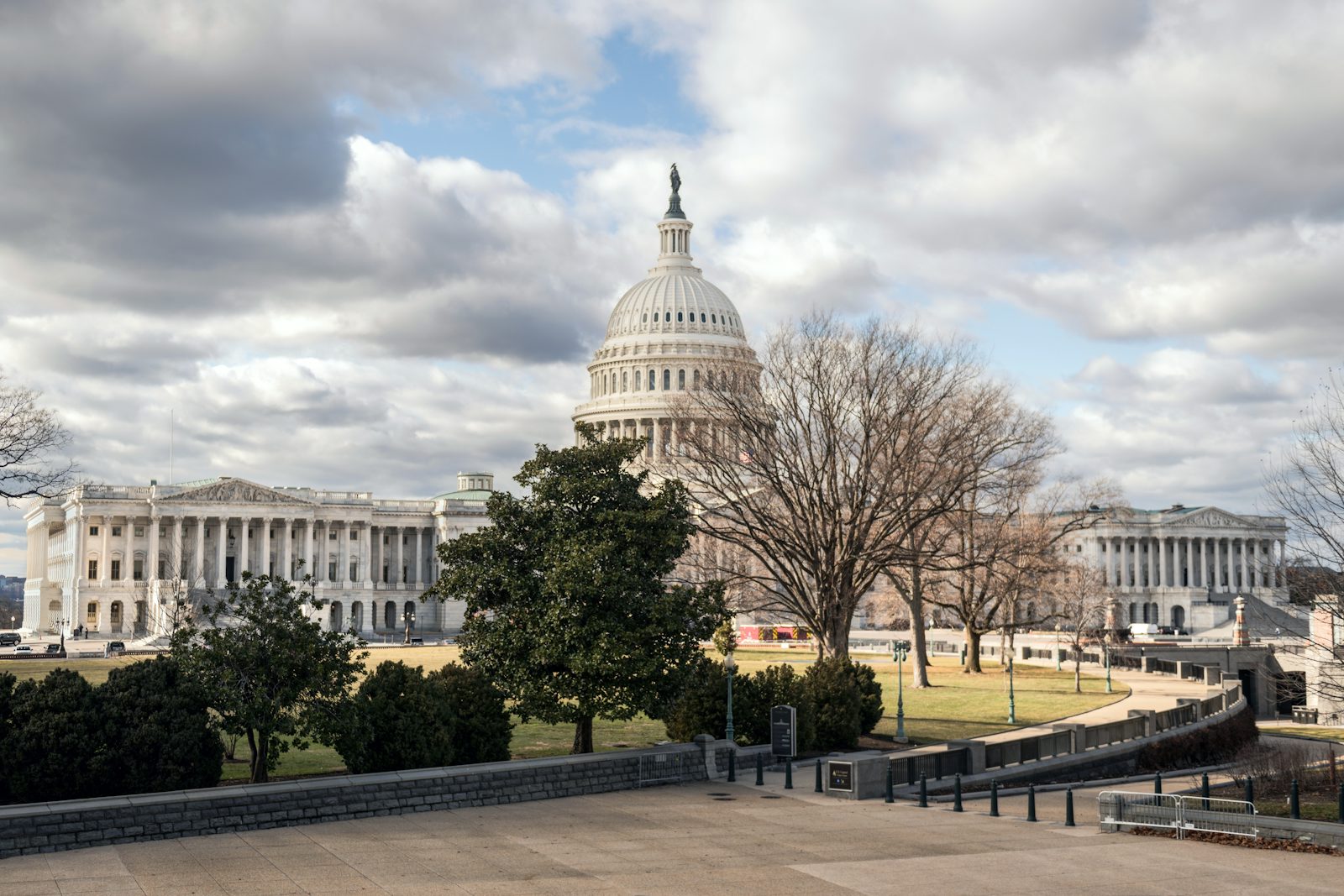
A draft report from the U.S. Treasury Department’s own career analysts concludes the AI boom now poses a systemic risk to the entire financial system, comparing it structurally to the dotcom crash. The Treasury Department’s public position is the opposite: a spokesperson dismissed the report as unvetted.
Quick facts
- NOTUS obtained a leaked Treasury Department draft report on July 6, 2026, written by career analysts who monitor systemic financial risk.
- The analysts concluded AI firms are more deeply entrenched in the U.S. economy than dotcom-era companies were, and that a downturn would send shockwaves through stocks, private credit, chipmakers, and utilities.
- A Treasury spokesperson dismissed the report as unvetted and said the administration’s official position is that AI will drive “America’s new Golden Age.”
- The report notes fewer retail investors back AI than backed dotcom stocks, meaning a correction would hit institutional money, including pensions and insurance funds, harder.
- The data underlying the analysts’ concerns draws on the Bank for International Settlements, JPMorgan, PIMCO, and the Federal Reserve.
What the analysts actually found
Per NOTUS’s original reporting, the analysts’ core finding isn’t that AI companies are overvalued in the way dotcom-era startups often were; it’s that today’s AI firms generate substantially more real revenue and are more interconnected with the broader financial system than their predecessors, which means a slowdown wouldn’t stay contained to tech stocks. The report projects that if AI fails to deliver on productivity and profitability expectations, effects would ripple through big banks, hedge funds, and private credit markets financing the data center buildout, and would likely produce a slower economic recovery than the dotcom crash did, even if the initial shock is smaller.
Why the report sat unapproved
The report’s political context is part of the story. According to reporting on the leak, the completed analysis sat for weeks without formal approval before it became public, a gap that lands awkwardly against Treasury Secretary Scott Bessent’s own public praise for a $750 billion AI infrastructure buildout in June. That’s not necessarily evidence the administration suppressed the findings, career analyst reports don’t always get elevated to official policy, but it does mean the government’s own internal risk assessment and its public messaging on AI have been pulling in opposite directions for at least a month.
This isn’t an isolated warning
The Treasury draft doesn’t stand alone. Other regulators have moved on similar concerns since: the European Central Bank has given every significant European bank until October 31, 2026 to demonstrate it can withstand an AI-driven shock, and the UK has placed AWS, Google Cloud, Microsoft, and Oracle under the kind of supervision normally reserved for institutions considered too systemically important to fail. Regulators in multiple jurisdictions are independently converging on the same word to describe AI’s role in the financial system: systemic.
Why this matters even if the report is wrong
Whether the analysts’ specific predictions prove accurate is genuinely unknowable in advance. What’s independently verifiable is the underlying structural fact the report is built on: AI infrastructure spending is increasingly financed through debt rather than pure equity, concentrated in a handful of interconnected firms, and running well ahead of demonstrated enterprise returns for large parts of the industry. Those are the same structural conditions the report flags as the actual risk factor, regardless of whether the AI trade itself keeps climbing or eventually corrects.
Key takeaway
A leaked internal warning being publicly dismissed by the same department that wrote it doesn’t resolve which view is right, but it does confirm that serious disagreement exists inside the U.S. government about how much risk the AI boom actually carries. That’s worth knowing regardless of your own view on where AI valuations are headed.
Leave a Reply