The Agentic Post
Breaking
Gemini’s Multimodal Features, Explained  Â·  ChatGPT Custom GPTs, Explained  Â·  What Is Constitutional AI? Explained  Â·  AI Capex Explained for Investors  Â·  AI Startup Valuations: How They Are Set  Â·  How to Reskill for an AI Job Market  ·  
Home/AI Agents/Computer-Use Agents
Best Computer-Use AI Agents in 2026

Best Computer-Use AI Agents in 2026

Computer-Use Agents

A practical guide to computer-use AI agents in 2026, including where they genuinely work well, where they still struggle, and how to evaluate one.

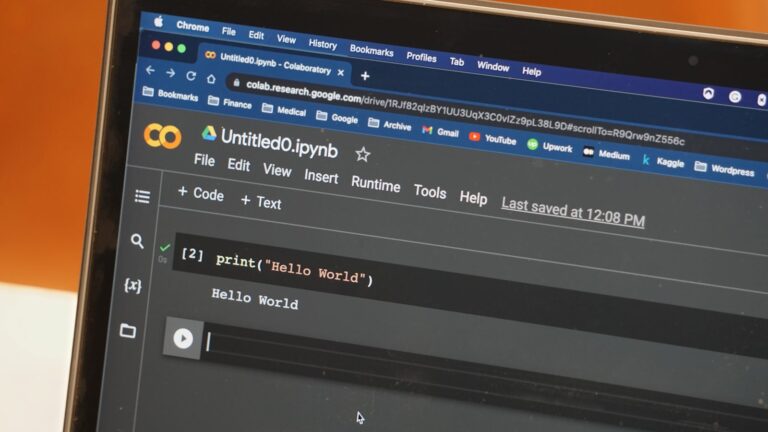
Computer-use agents, the ones that see a screenshot and click like a person, have improved fast. The honest picture is messier than the demos suggest.

Our look at the OSWorld 2.0 benchmark found leading agents dropping from roughly 85% success on an easier, saturated test to around 20% on a harder one testing longer task chains. Any “best computer-use agent” claim citing a number is only meaningful once you know which version of the benchmark it’s from.

They’re genuinely good at short, well-defined tasks with a clear visual target, and at software with no usable API at all. They’re still bad at long workflows spanning multiple applications, unfamiliar layouts, and recovering from an unexpected pop-up.

Test on your actual longest, messiest task, not a vendor demo. And always prefer a direct API integration when one exists, screen automation should be the fallback, not the first choice.

Review the benchmark directly at the OSWorld project page.
Up Next
Best AI Agent Frameworks, Compared

Best AI Agent Frameworks, Compared

Agent Frameworks

A comparison of leading AI agent frameworks, including LangChain, AutoGPT-style loops, provider-native SDKs, and MCP-based tooling.

The framework matters less than developers assume. They’re converging on similar patterns, and picking one is rarely the decision that makes or breaks a project.

Every framework wraps a model call in a loop: decide an action, call a tool, observe the result, decide the next step. That’s it. Our full explainer covers the mechanics if you’re new to this.

The options, head to head

LangChain has the broadest ecosystem of pre-built integrations, at the cost of more setup. AutoGPT-style autonomous loops suit open-ended research well but give you less control per step. Provider-native SDKs from Anthropic and OpenAI trade flexibility for tighter integration. MCP-based tooling increasingly lets any framework use any compatible tool without custom integration work.

Match the framework’s control model to how much autonomy your task actually warrants, not to community popularity. A repeatable workflow needs tight guardrails. Genuine exploration tolerates a looser loop. A powerful framework with no safeguards on irreversible actions is a bigger risk than a simple one used carefully.

See LangChain’s own documentation for a deeper technical look.