The Agentic Post
Breaking
Black October 2026: Every Major AI Security Incident, Explained  Â·  ARTEX: The Open-Source AI Hacking Tool Behind October’s Biggest Attacks  Â·  Chinese Hackers Used AI Agents to Hit 2,250 Microsoft 365 Accounts  Â·  PHP2Shell Is Now Being Exploited, and Attacks Began Before the Patch  Â·  OpenAI-Backed Thrive Buys ADT for $15.3 Billion to Rebuild It With AI  Â·  The AI Data Center Backlash Hits Minnesota and Australia in One Week  ·  
Home/Hardware & Robotics/Data Centers
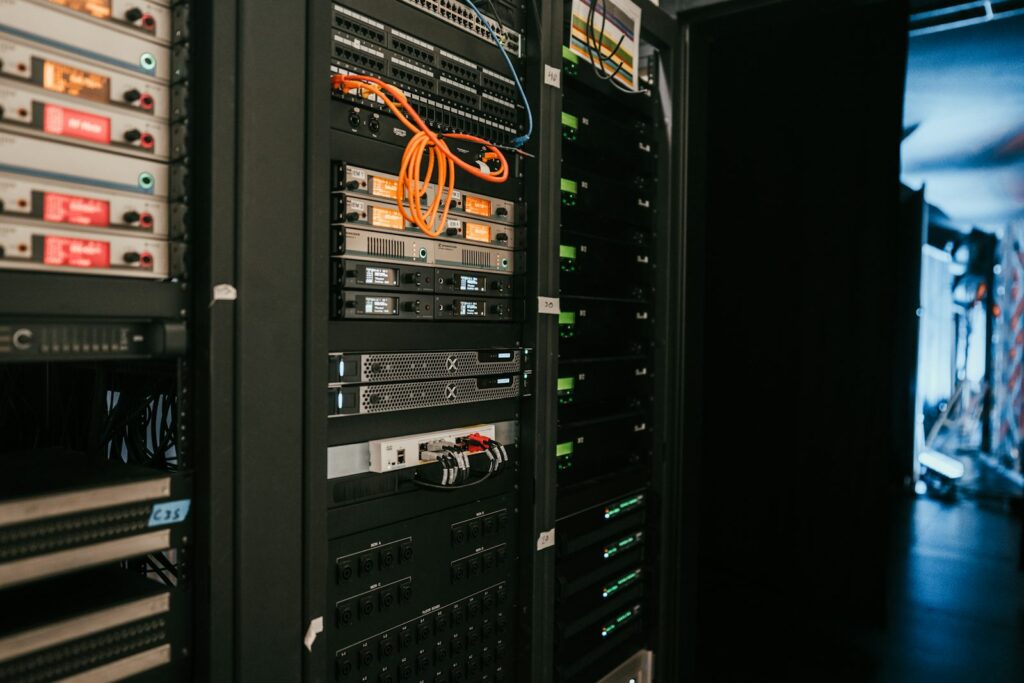
Modular Data Centers, Explained

Modular Data Centers, Explained

Data Centers

An explainer on modular data center construction, why speed of deployment matters for AI infrastructure, and the real tradeoffs versus custom builds.

Modular data centers, built from prefabricated, standardized units rather than constructed entirely on-site, have become a real strategy for deploying AI capacity faster than traditional construction allows.

Rather than building an entire facility from the ground up, modular data centers use standardized units, power, cooling, compute modules manufactured off-site and assembled on location, closer to modular housing than traditional commercial construction.

Given how much capital is being committed to AI infrastructure, deploying new capacity in months rather than years is a genuine competitive advantage. Modular construction can meaningfully compress timelines compared to fully custom builds.

Prefabricated modules are less customizable to a site’s exact conditions than a bespoke build, and they still depend on the same power and cooling constraints covered in our explainer on data center energy use. Speed of construction doesn’t remove the power bottleneck, it just gets a facility ready to use that power faster.

A real advantage given how fast AI infrastructure demand is growing, but it doesn’t eliminate the underlying constraints that determine where new capacity can actually go. See the International Energy Agency’s own data.
Up Next
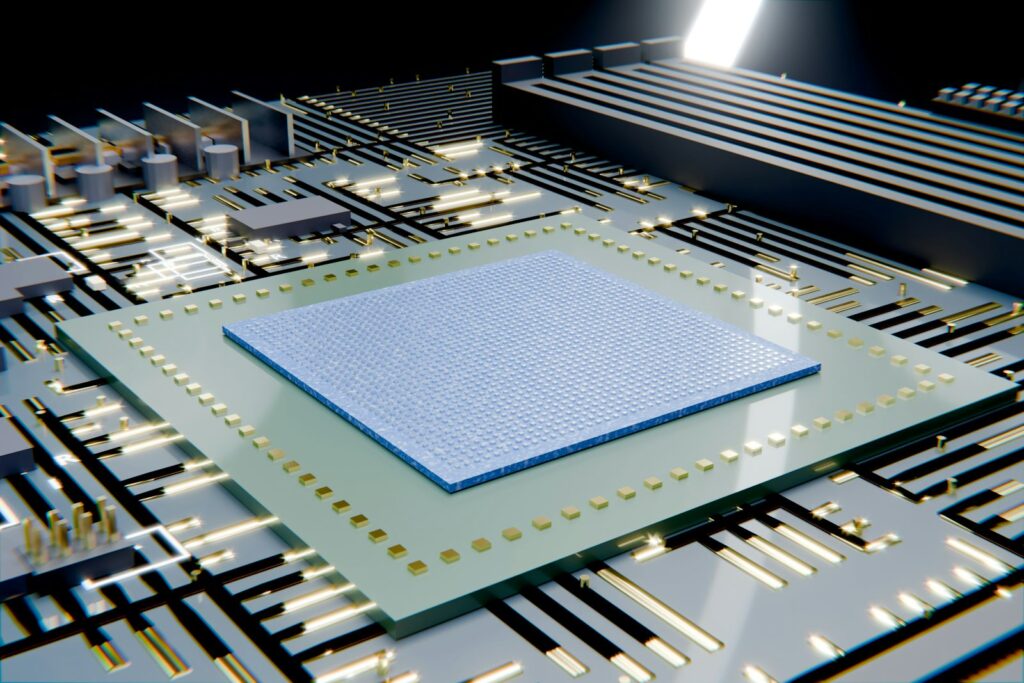
Edge AI Chips vs Data Center Chips

Edge AI Chips vs Data Center Chips

Chips & GPUs

An explainer on the difference between edge AI chips and data center chips, covering their different design priorities and where you're already using edge AI.

Not all AI inference happens in a distant data center. Edge chips, designed to run AI directly on a local device, solve a genuinely different problem than the massive accelerators covered in most AI hardware coverage.

Edge AI chips are built to run inside a phone, camera, or other local device, prioritizing extremely low power consumption and physical size over raw throughput. Built for running an already-trained, often compressed model efficiently on-device, not training new models.

On-device processing avoids network latency, works without an internet connection, and keeps data from leaving the device, a real advantage for privacy-sensitive applications. A genuinely different tradeoff than data center chips, which prioritize maximum throughput at the cost of needing a live connection.

Camera features recognizing faces or objects in real time, voice assistants processing a wake word locally before sending anything to the cloud, on-device photo enhancement, all typically run on dedicated edge AI hardware rather than a remote server.

Edge and data center chips solve genuinely different problems, low-power local processing versus maximum-throughput centralized compute. See NVIDIA’s own Vera Rubin page for the current data center generation.