AI’s power draw has stopped being a technical footnote and become a real policy fight, with actual regulatory action following from it.
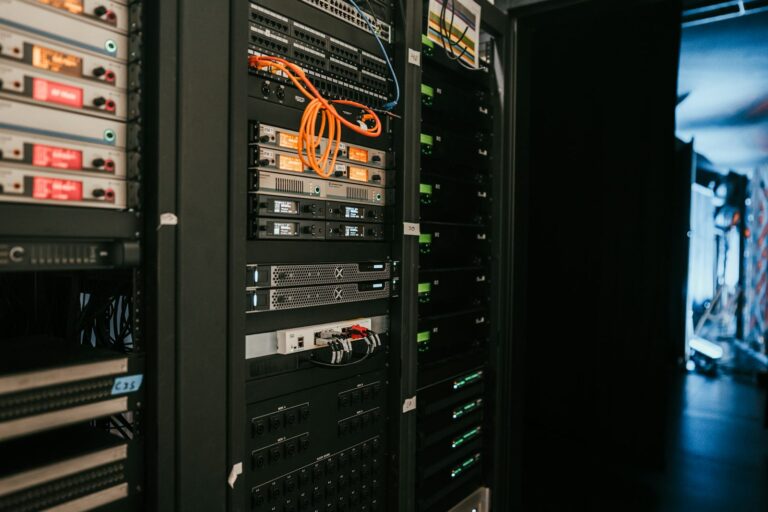
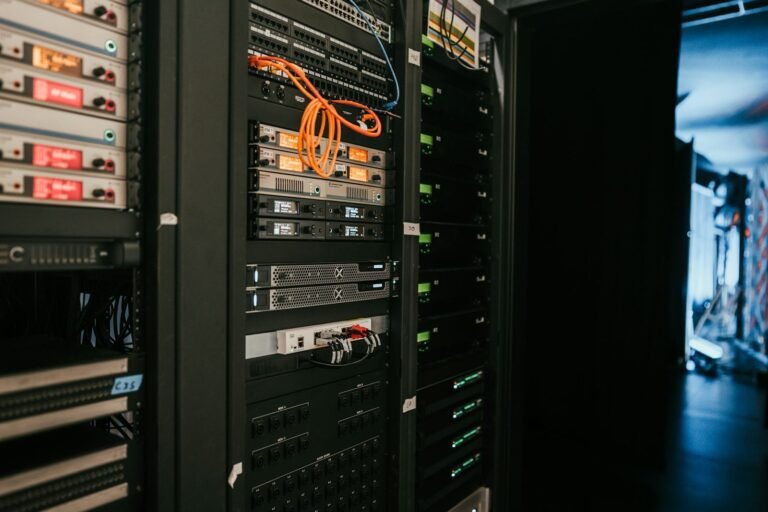
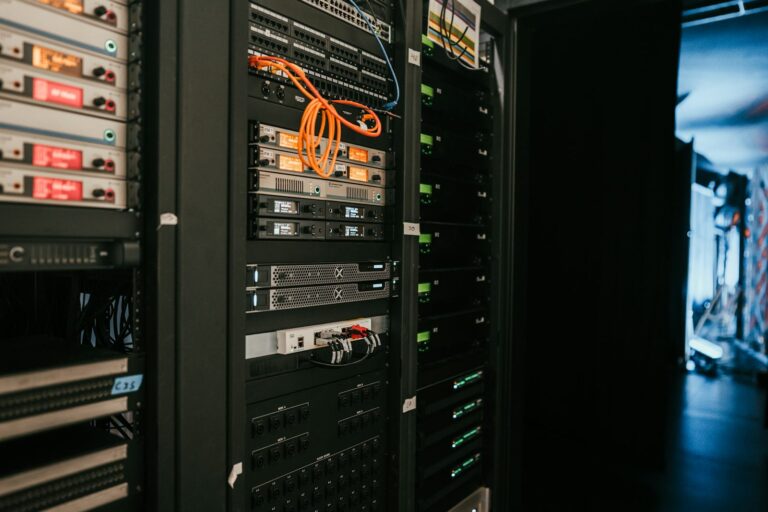
High-density AI hardware pulls far more power per rack than traditional computing ever did, and needs far more cooling to manage the heat. That’s why electrical and cooling infrastructure is often a bigger engineering challenge than the compute itself, covered in more depth in our explainer on what’s actually inside a data center.
The scale is genuinely enormous. Our coverage of Texas’s grid connection freeze found the state’s grid operator tracking requests for more than 474 gigawatts, over five times the grid’s all-time peak demand record. That’s one state’s queue, and it’s exactly why power, not chip supply, is the real constraint on new AI capacity right now.
Rising electricity costs and strained local water supplies have produced real organized pushback in multiple states, which is why states like Texas have moved to audit pending projects before approving more grid connections, a genuinely new level of scrutiny compared to a couple years ago. Some data centers now build their own on-site power generation specifically to sidestep that bottleneck.
See the International Energy Agency’s own data on data center demand.