AI inference is the moment a trained AI model actually does its job: reading your question and producing an answer, an image or a line of code. Training is when the model learns, which happens once in a giant burst. Inference happens every time anyone uses it, billions of times a day, which is why it now drives most of the cost of AI and much of the demand for data centers.
What is the difference between training and inference?
Think of a chef. Training is culinary school: years of expensive learning, done once. Inference is cooking each meal for a customer: quick each time, but it never stops, and the more customers you have, the more kitchens you need. A popular AI model is a chef serving the whole world at once.
Why does inference cost so much?
Each answer requires the model to run billions of calculations for every token it reads and writes. Multiply that by hundreds of millions of users, longer conversations and AI agents that work for hours, and the total grows huge. That is why companies like xAI are capping Grok Bot usage and why AI subscriptions have usage limits.
What makes inference faster or cheaper?
- Smaller models for simple tasks, as explained in small vs large AI models
- Mixture of experts, which uses only part of a model per token; see what MoE is
- Quantization, storing the model’s numbers with less precision to save memory
- Caching, reusing work for repeated parts of a prompt, which is why some APIs discount cached input
- Specialised chips built for inference, such as Google’s TPUs; see TPU vs GPU
Where does inference happen?
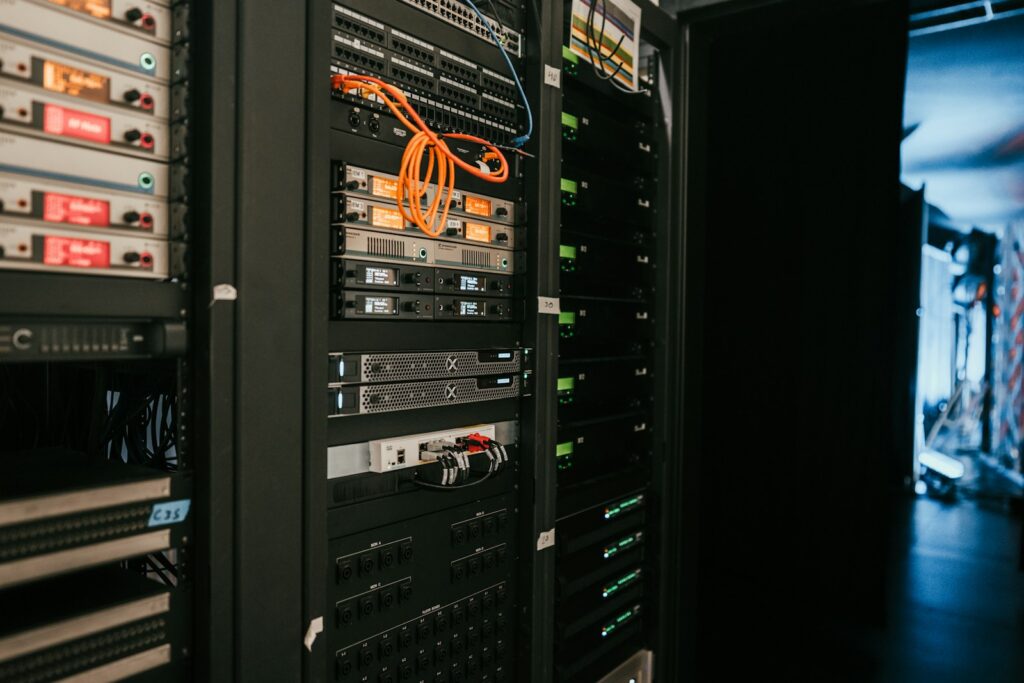
Most of it runs in large cloud data centers, which is why inference demand fuels the building boom covered in AI data center energy use. A growing share runs on your own device: phones and laptops now include AI chips, and tools can run big open models at home, slowly, as in our colibri guide. On-device inference is more private and works offline, but is limited by memory.
What does inference speed mean for me?
Two numbers matter. Time to first token is how long you wait before the answer starts. Tokens per second is how fast it streams once started. Voice assistants need a very quick first response, while coding agents care more about total cost per task.
Why should I care about inference as a user?
Because it explains prices and limits. When a provider cuts prices, it is usually because inference got cheaper. When a free tier shrinks, inference costs are often the reason. Understanding it helps you pick the right model: you do not need the most expensive one to rewrite an email. More terms like this live in our AI glossary.