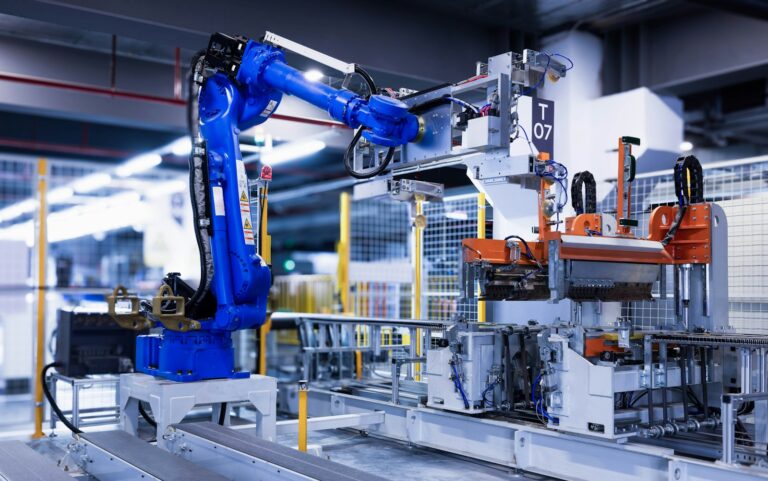
A SPAC, or special purpose acquisition company, is a company with no business of its own that lists on the stock market, raises cash, and then merges with a private company to take it public. It is a faster alternative to a traditional IPO, and AI and robotics companies are using it again, most recently Agility Robotics, which began trading on Nasdaq on November 5, 2026.
How does a SPAC work, step by step?
- 1. The shell lists: a sponsor creates the SPAC and sells shares to investors, usually holding the cash in a trust
- 2. The hunt: the SPAC has a set time, often around two years, to find a private company to merge with
- 3. The deal: it announces a merger, often with extra money from big investors through a PIPE (private investment in public equity)
- 4. The vote: SPAC shareholders approve the deal and can ask for their money back instead of staying in
- 5. The new stock: the merged company trades under a new ticker
In Agility’s case, the SPAC Churchill Capital Corp XI merged with the robot maker, and the stock switched to the ticker AGLT, according to its SEC filing.
Why do AI companies choose a SPAC instead of an IPO?
Speed and certainty. A traditional IPO depends on market mood on the day, and young companies with little revenue can struggle to attract buyers. A SPAC agrees a price and funding in advance, and companies can talk about future projections more freely. That suits deep-tech firms like robotics makers, which need large amounts of money years before they earn much.
What are the risks of SPAC stocks?
- Little revenue: many SPAC companies are early stage; Agility reportedly earned 174,000 dollars in the first half of 2026 against large losses
- Redemptions: if many SPAC investors take their cash back, the company raises less than announced
- Dilution: sponsors and warrant holders often get cheap shares, which can weigh on the price
- Lock-up expiry: insiders are often barred from selling for about six months; when that ends, selling can push prices down
- Track record: many SPACs from the 2020 and 2021 boom traded well below their starting price
What is a warrant?
A warrant is a right to buy a share later at a fixed price. SPACs usually hand them out as a sweetener, and they trade separately, which is why Agility has both AGLT shares and AGLTW warrants.
How should I think about investing in a SPAC?
Read the filing, especially revenue, losses and how much cash the company really received after redemptions. Compare it with peers, and remember the stock may swing hard, especially in a market already nervous about AI. Our guide to investing in AI stocks covers the basics. This article is educational and is not investment advice.