The Agentic Post
Breaking
Black October 2026: Every Major AI Security Incident, Explained  Â·  ARTEX: The Open-Source AI Hacking Tool Behind October’s Biggest Attacks  Â·  Chinese Hackers Used AI Agents to Hit 2,250 Microsoft 365 Accounts  Â·  PHP2Shell Is Now Being Exploited, and Attacks Began Before the Patch  Â·  OpenAI-Backed Thrive Buys ADT for $15.3 Billion to Rebuild It With AI  Â·  The AI Data Center Backlash Hits Minnesota and Australia in One Week  ·  
Home/AI Tools/App Builders
How to Choose an AI App Builder

How to Choose an AI App Builder

App Builders

A practical guide to choosing an AI app builder, including what these tools are actually good at and what questions to ask before committing.

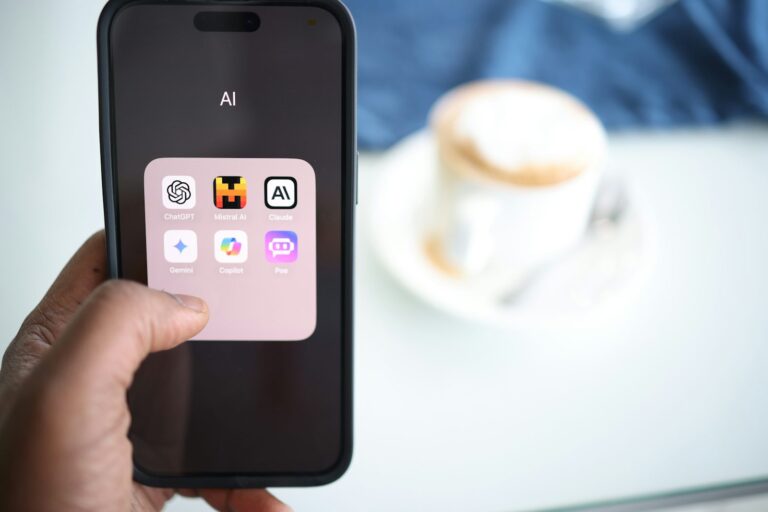
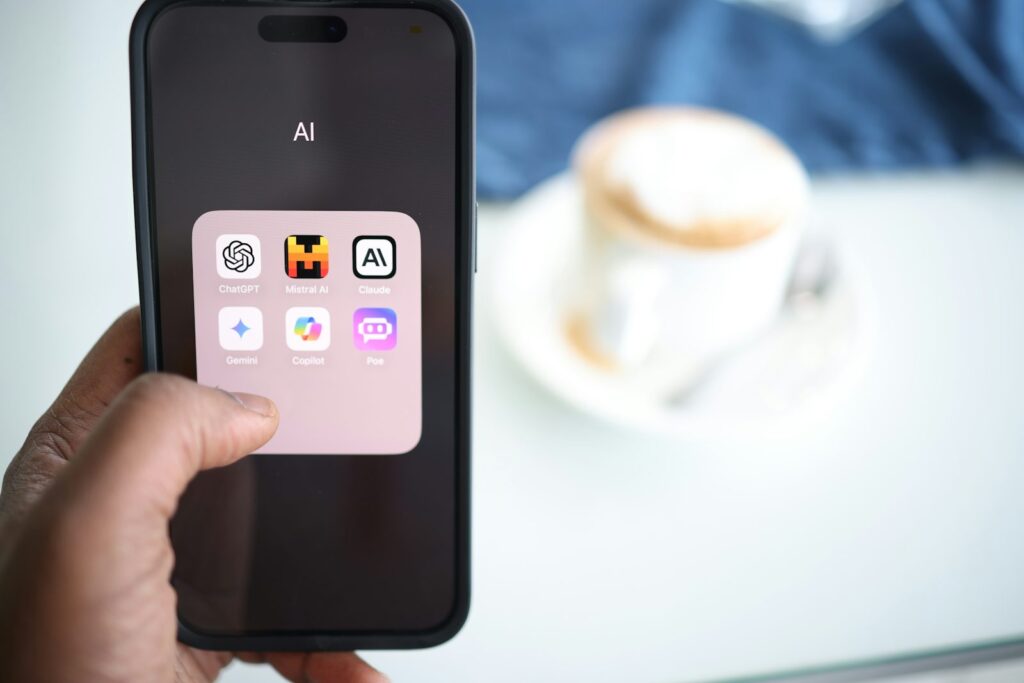
AI app builders promise to turn a description into working software. They differ enormously in what kind of app they actually produce well, and picking the right one matters more than picking the most hyped one.

Match the tool to the app

A simple internal tool, a form that writes to a spreadsheet, a dashboard on one API, is a genuinely good fit for most current builders. A consumer product with real accounts, payments, and complex logic is a much harder target. Treat an app builder as capable of fast internal tools and prototypes, not full production consumer apps without real engineering added on top.

Where the category is actually heading

Google cancelling its standalone AI Studio app in favor of building the capability into Gemini directly is a clear signal: app creation happening mid-conversation with an assistant you already use, not a separate destination.

Three questions worth asking before you commit

  • Can you actually export the code, or does it only run inside their platform?
  • What happens as the app grows past a quick prototype?
  • Does a targeted change actually stay targeted, or does it regenerate parts you didn’t touch?

Build the smallest useful version first and test it thoroughly before layering more on top, the same caution that applies to any AI-generated code.

See Google’s own announcement on folding app-building into Gemini.
Up Next
AI Voice Cloning Explained

AI Voice Cloning Explained

Voice AI

How AI voice cloning technology works, its legitimate production uses, and the fraud risks that come with the same underlying capability.

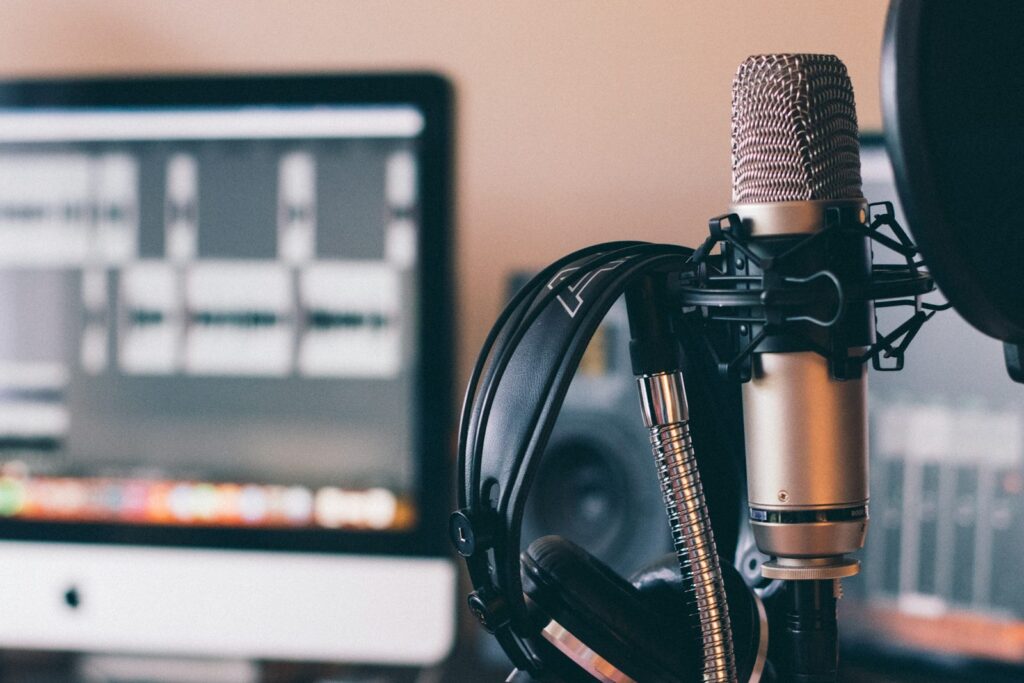
A few seconds of clean audio is now enough to clone a voice convincingly. That accessibility is exactly why voice cloning has become both a genuinely useful production tool and a real fraud vector, often for the same reason.

The technology itself

A model analyzes a speech sample for what makes it recognizably someone’s voice, pitch, cadence, characteristic pauses, then generates new speech in that voice from arbitrary text. Early versions needed many minutes of clean audio; current ones manage a passable clone from seconds, and a convincing one from under a minute.

Where it’s a real production tool

Audiobook and podcast production at a fraction of studio cost, localizing video into other languages while keeping the original speaker’s voice, accessibility for people who’ve lost their ability to speak, and AI-generated vocals in music production, the space Google’s Lyria and Suno compete in directly.

The problem underneath the same capability

Voice-cloning scams, most often a cloned family member in a fake emergency call, have moved from novelty to a documented, recurring fraud pattern. Trying to detect a fake voice by ear doesn’t reliably work anymore, current clones are often good enough that most people can’t tell. What actually works is an out-of-band verification habit: a callback to a known number, a pre-agreed phrase, confirming any urgent financial request through a second channel before acting on it, regardless of how convincing the call sounded.

Most legitimate platforms now require some form of consent verification before cloning a voice, but the underlying technology to clone one from a short public clip is broadly accessible outside those platforms too, the same values tension running through other likeness-related AI features.

See the FTC’s own guidance on voice cloning risks.