The Agentic Post
Breaking
Gemini’s Multimodal Features, Explained  Â·  ChatGPT Custom GPTs, Explained  Â·  What Is Constitutional AI? Explained  Â·  AI Capex Explained for Investors  Â·  AI Startup Valuations: How They Are Set  Â·  How to Reskill for an AI Job Market  ·  
Home/Guides/Beginner Guides
How to Build Your Personal AI Toolkit

How to Build Your Personal AI Toolkit

Beginner Guides

A practical guide to building a deliberate personal AI toolkit, starting with one general assistant and adding specialized tools only for recurring needs.

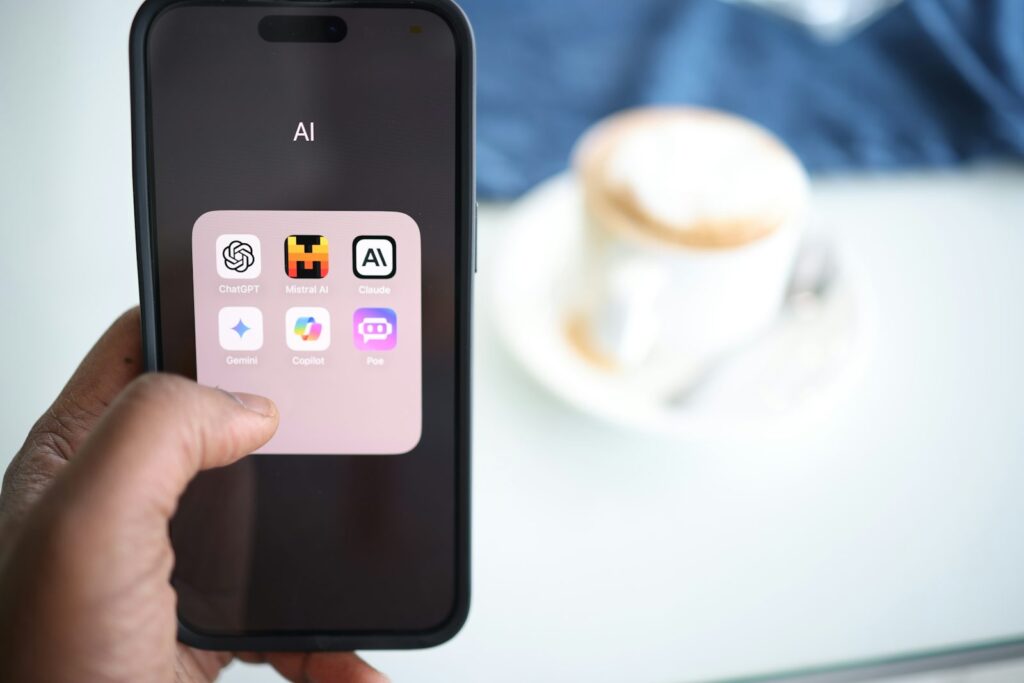
Rather than trying every AI tool covered in the news, most people are better served by a small, deliberate toolkit built around actual recurring needs.

Pick whichever of Claude, ChatGPT, Gemini, or Copilot is already built into software you use daily, and build real fluency with it before adding a second tool. Depth beats shallow familiarity with several.

Add specialized tools only for recurring needs, images, video, code help beyond what your general assistant covers well, rather than collecting tools speculatively. A toolkit built around what you actually do weekly stays useful; one built around what looked interesting in a headline usually doesn’t.

AI subscriptions accumulate quietly. Every few months, review what you’re actually using versus what’s become a forgotten recurring charge, the discipline covered in our guide to free versus paid AI tools.

Giving real context, verifying anything specific before trusting it, iterating rather than starting over, these habits matter more than which tools are in your toolkit, and they transfer to every tool you add later. See Anthropic’s own help center as one starting point.

Up Next
AI App Builders for Founders

AI App Builders for Founders

App Builders

A practical guide for non-technical founders on using AI app builders, covering what's realistically achievable and how to plan the transition to real engineering.

If you can’t code but need a working prototype to validate an idea, AI app builders have genuinely changed what’s possible without hiring a developer first.

A working prototype for user testing, a simple internal tool, or an MVP that demonstrates the core concept to investors is achievable through plain-language description now. Our honest look at what AI can build from a prompt covers exactly where this capability is real versus overstated.

A prototype good enough to validate a concept with real users isn’t automatically production-ready for paying customers, and treating it that way is a common, costly mistake. Security, data handling, and scalability are exactly the areas a founder without technical background is most likely to miss.

Confirm upfront whether your app builder gives you portable, exportable code or locks you into its own hosted platform. If you plan to eventually hire a developer, knowing this now avoids a painful rebuild later. See our full guide to choosing an app builder for the questions worth asking.

Use it to validate your idea fast and cheaply, but budget for real engineering before you’re handling real customer data or payments at scale. See Google’s own announcement on folding app-building into Gemini.