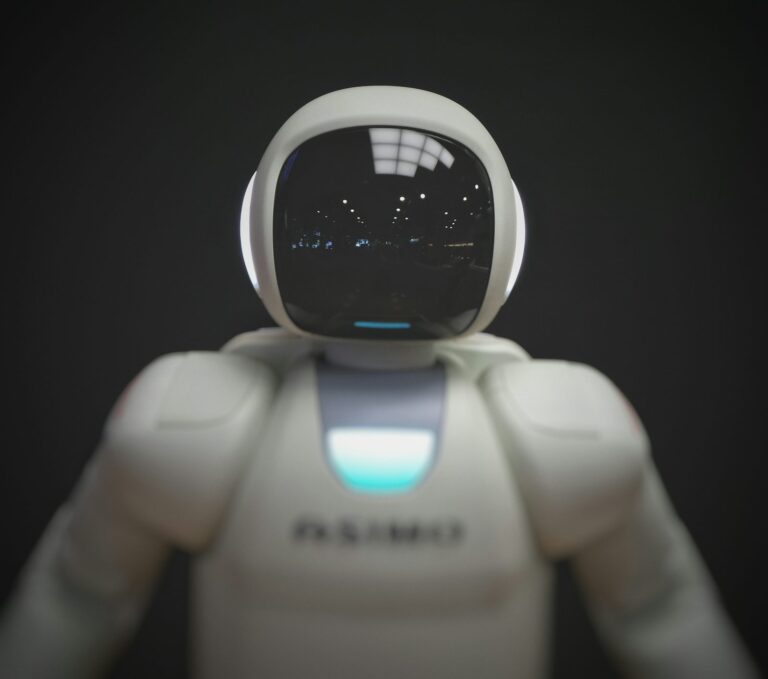
Humanoid robots generate a lot of impressive demo footage. Which programs are actually closest to real deployment looks different once you strip that away.
Our coverage of Hyundai taking full ownership of Boston Dynamics lays out a genuinely specific, dated plan: Atlas starting in 2028 at a Georgia plant, parts-sequencing first, expanding to component assembly by 2030. That’s a more concrete commitment than most competing programs offer.
Timeline specificity is the real signal to watch. Programs willing to commit to dates and narrow tasks, not broad claims about future capability, are usually the ones closest to an honest read of where the technology actually stands.
Not everyone’s betting on the humanoid form. Andreessen Horowitz’s investment in Travis Kalanick’s Atoms is built around specialized, purpose-built robots for narrower industrial tasks instead. A genuinely different bet worth knowing about before assuming humanoid form factors win by default.
Balance, sensing, and safe physical contact remain the genuinely unsolved problems across every program, not marketing weaknesses specific to one company. Our explainer on robot design covers why these are so much harder than they look in a demo video.
See Boston Dynamics’ own Atlas page for more detail.