The Agentic Post
Breaking
Gemini’s Multimodal Features, Explained  Â·  ChatGPT Custom GPTs, Explained  Â·  What Is Constitutional AI? Explained  Â·  AI Capex Explained for Investors  Â·  AI Startup Valuations: How They Are Set  Â·  How to Reskill for an AI Job Market  ·  
Home/AI Models/DeepSeek
DeepSeek vs ChatGPT, Compared

DeepSeek vs ChatGPT, Compared

DeepSeek

A comparison of DeepSeek and ChatGPT covering pricing, ecosystem, openness, and safety considerations to help decide which fits your use case.

DeepSeek and ChatGPT compete on genuinely different terms, price and openness versus ecosystem and polish, which makes them less directly comparable than a typical head-to-head suggests.

DeepSeek’s aggressive pricing and open-weight releases make it genuinely compelling for high-volume use and teams that want the self-hosting option. On real coding benchmarks it’s competitive with much more expensive alternatives.

ChatGPT has the broadest ecosystem of any assistant, the largest user base, and the most tested behavior across an enormous range of tasks. It’s the safer default if you want the most polished, widely supported product available.

For raw capability on general tasks, the gap is smaller than either company’s positioning suggests. If cost at scale or self-hosting genuinely matters, that alone can settle it in DeepSeek’s favor. Compare directly at deepseek.com and chatgpt.com against your own actual task before deciding.

Up Next
Run Open-Source AI Models Locally

Run Open-Source AI Models Locally

Open-Source Models

A practical guide to running open-weight AI models on your own hardware, including hardware requirements, quantization, and the real quality tradeoffs.

Running a model on your own machine used to require real ML infrastructure knowledge. It doesn’t anymore, and that’s changed who actually does it.

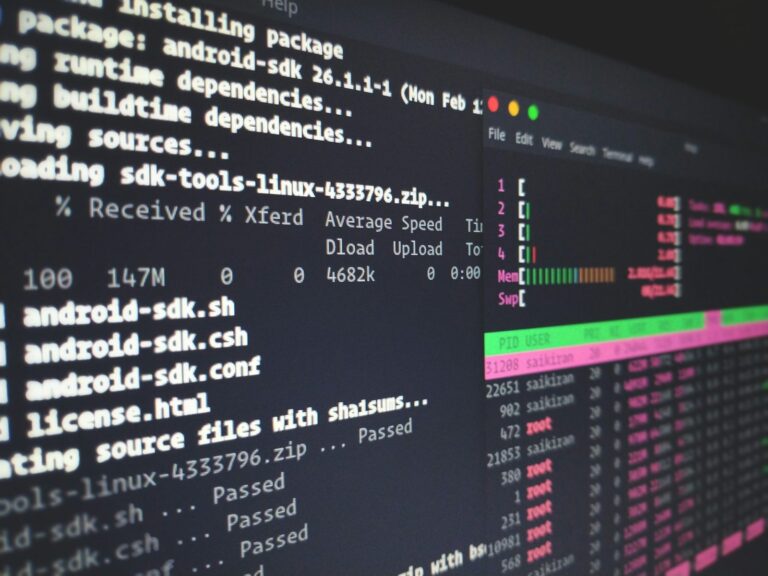
Ollama is the most common way in: install it, pull a model, run it, all from a few terminal commands. No separate Python environment to configure, no manual dependency wrangling.

Quantized models, compressed versions trading some precision for a much smaller footprint, run on consumer hardware that wouldn’t touch the full-precision version. A capable coding or writing model can run on a decent laptop, no dedicated GPU cluster required.

Local models trade some capability for real privacy, your data never leaves your machine, and for reliability, no API outage, no rate limit. They’re not going to match a hosted frontier model on the hardest reasoning tasks. For genuinely private or offline use cases, that tradeoff is often worth it.

Start with a smaller quantized model matched to your actual hardware before assuming you need the largest available version, our full guide to choosing open versus closed models covers the broader tradeoffs.