“Best AI model for coding” doesn’t have one universal answer anymore. The leading models are close enough on benchmarks that the right pick depends on your specific stack.
On real coding benchmarks like Terminal-Bench, leading models from OpenAI, Anthropic, and Google routinely land within a point or two of each other, a real shift from a couple years ago. Picking based purely on this week’s leaderboard is less useful than it used to be.
Where the models actually diverge
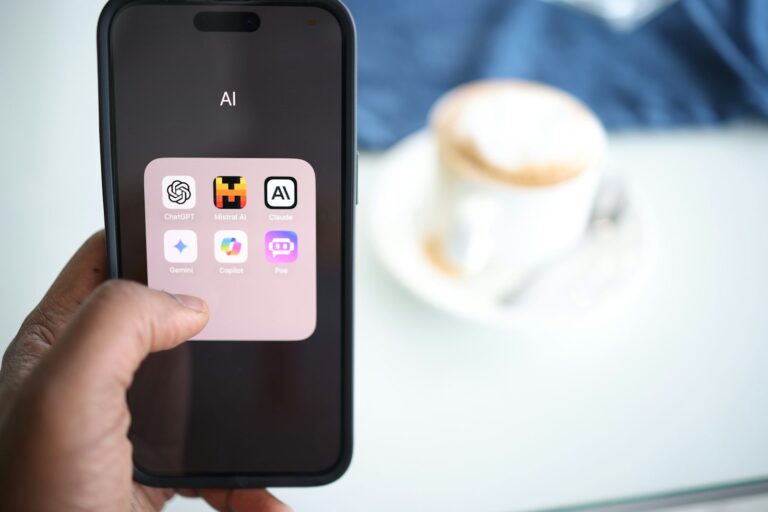
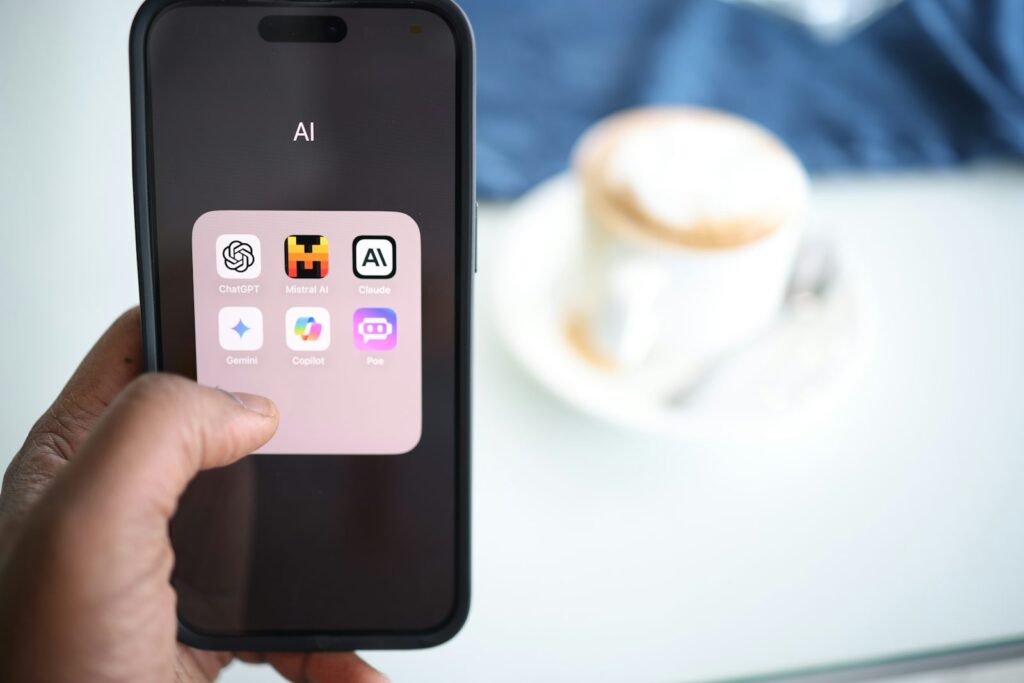
Claude tends to hold up best on large, established codebases where following conventions matters. GPT-based models often edge ahead on tasks with a single, verifiable answer. Gemini pulls ahead when a task needs an enormous amount of context loaded at once. DeepSeek’s newest models offer strong coding scores at a fraction of the cost.
Cost matters more than most comparisons admit
For high-volume, automated workflows, a model that’s 90% as capable at a fifth of the price often wins in practice over a marginally better, much more expensive one. Test your top two or three candidates against your actual codebase, then track your real acceptance rate, that tells you more than any published benchmark.
See Terminal-Bench for independently tracked coding benchmark results.