The Agentic Post
Breaking
Black October 2026: Every Major AI Security Incident, Explained  Â·  ARTEX: The Open-Source AI Hacking Tool Behind October’s Biggest Attacks  Â·  Chinese Hackers Used AI Agents to Hit 2,250 Microsoft 365 Accounts  Â·  PHP2Shell Is Now Being Exploited, and Attacks Began Before the Patch  Â·  OpenAI-Backed Thrive Buys ADT for $15.3 Billion to Rebuild It With AI  Â·  The AI Data Center Backlash Hits Minnesota and Australia in One Week  ·  
Home/AI Tools/Coding Assistants
AI Pair Programming: A Practical Guide

AI Pair Programming: A Practical Guide

Coding Assistants

A practical guide to AI pair programming, covering how to think out loud, push back on suggestions, and explore alternatives effectively.

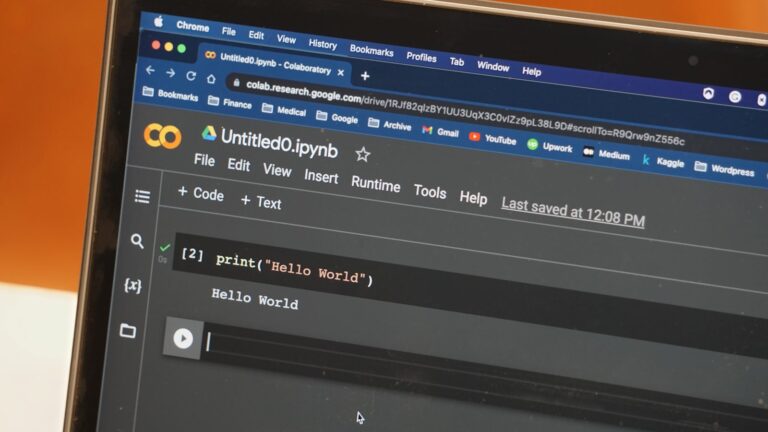
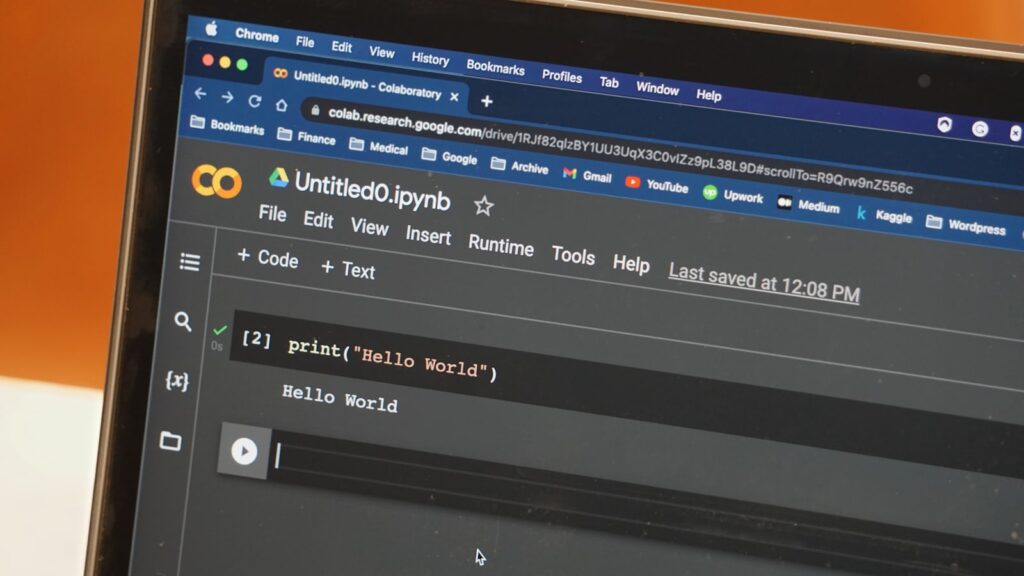
Using an AI coding assistant well is closer to pair programming with a capable but new colleague than to using an autocomplete tool, and treating it that way changes how you should work with it.

Stating your intent before diving into implementation, “I want to refactor this to separate the validation logic,” gives the assistant the same context a human pair would want, and produces more aligned suggestions than jumping straight to code.

A human pair expects to be told when a suggestion doesn’t fit. Treat AI suggestions the same way, correcting and redirecting rather than either accepting everything or dismissing the tool after one bad suggestion.

Ask for two or three different approaches with tradeoffs explained instead of accepting the first suggestion. Mirrors how a good human pairing session actually works, weighing real alternatives rather than committing to the first idea.

Our full guide to reviewing AI agent code covers this directly: fluent-looking code isn’t automatically correct code, and the review habits that make human pairing effective apply just as much here. See GitHub’s own Copilot documentation.

Up Next
AI Music Licensing for Creators

AI Music Licensing for Creators

Voice AI

A practical overview of AI music licensing for creators, covering commercial usage terms, chart eligibility rules, and training data disputes.

Licensing rules for AI-generated music are still actively being written, but a few practical points are clear enough to plan around right now.

Different AI music tools grant genuinely different commercial rights on generated tracks, and terms vary meaningfully between free and paid tiers of the same platform. Read the specific terms before using generated music in anything monetized.

Major labels are working toward rules distinguishing fully AI-generated tracks from AI-assisted ones for official chart eligibility, and several distribution platforms are adopting similar disclosure requirements. If you plan to distribute commercially, keep documentation of your own creative direction.

Whether a model’s training data itself infringed other artists’ rights is a separate, ongoing legal question from whether you personally have commercial rights to a track you generated using that tool’s terms. Both are worth understanding, but they’re genuinely distinct issues.

This is general information, not legal advice. Read your tool’s commercial terms, keep records of your own creative input, and check current disclosure requirements before releasing anything commercially. See the U.S. Copyright Office’s own AI guidance.